

Rights reverting, masters being lost and out-of-print records all push in the same direction.
A striking number of alternative bands now reissue their own back catalogues, and the reasons are administrative rather than nostalgic.
You can listen to our full playlist which contains the artist’s music, and know more about the artist’s work by scrolling down the page.

PLAYLIST
Rights Revert, Often Sooner Than People Expect
The wave of bands reissuing their own back catalogues looks like nostalgia from outside and is mostly administrative from inside, driven by contract terms written decades ago finally coming due.
Many independent contracts included reversion clauses returning rights to the artist after a defined period, or after the label failed to keep a record in print. Others simply ended when the label did, leaving ownership unclear but effectively with the band.
When those rights land back with the artist, the catalogue becomes an asset they control for the first time. Reissuing is the obvious way to make use of it, and the timing of the wave reflects contract clocks rather than a change in sentiment.
Out of Print Means Invisible
A record that is not available does not merely sell nothing; it gradually stops existing in the conversation. It cannot be recommended usefully, it disappears from shops, and its presence on streaming services is often patchy or wrong.
For bands still touring, that is a live commercial problem. People who hear the old material want to buy it and find they cannot, or find only expensive second-hand copies from which the band receives nothing.
Reissuing converts a dormant catalogue back into a revenue stream, and for acts whose current income depends heavily on touring and merchandise, that back catalogue can be a meaningful proportion of what they earn.
Termination rights are the mechanism most artists have never heard of and the one with the longest reach. In several territories an author can reclaim a grant after a statutory period regardless of what the contract says, and the paperwork has to be filed within a defined window.

Masters Go Missing More Often Than Anyone Admits
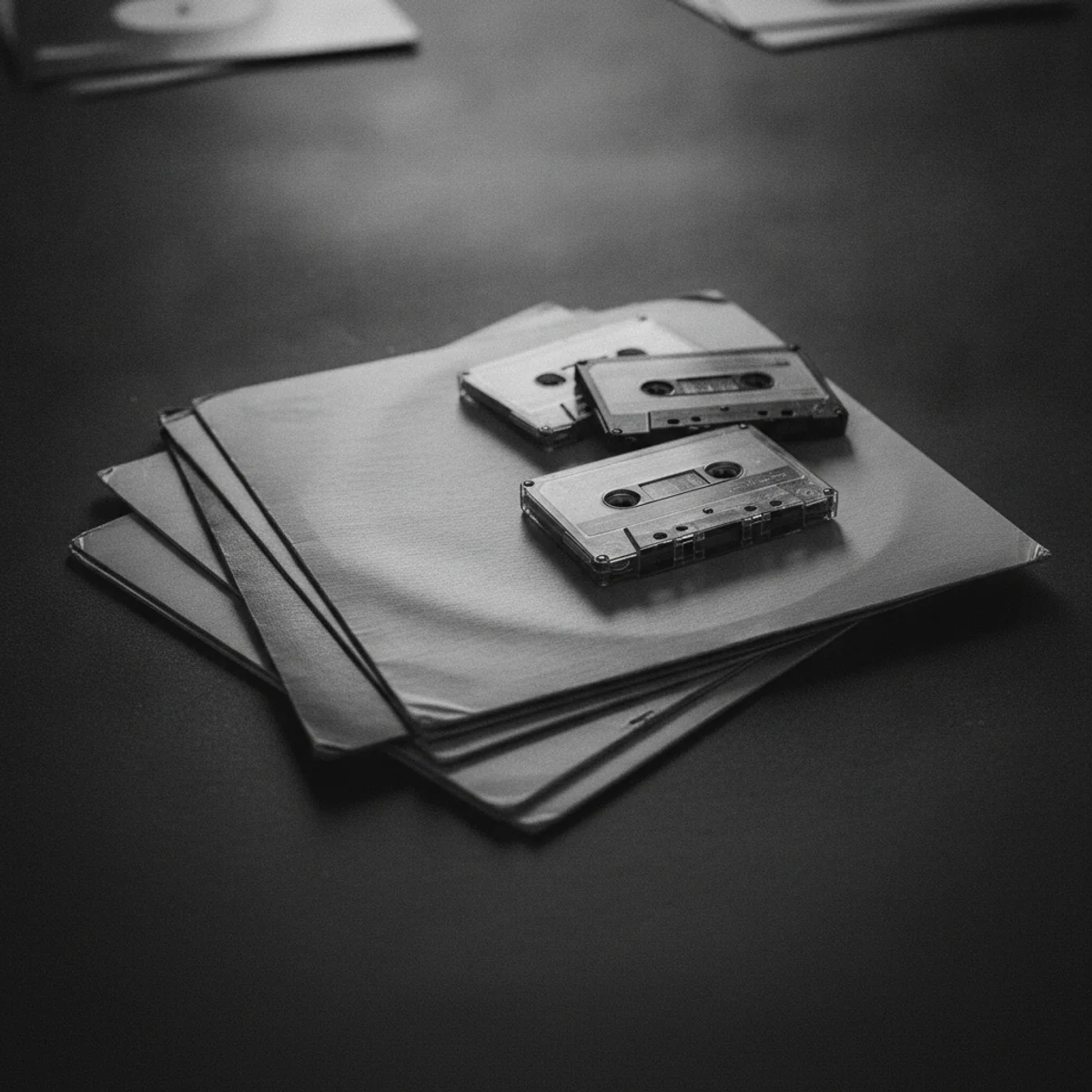
The physical situation is frequently worse than the legal one. Original tapes from small labels have a poor survival record: stored in unsuitable conditions, lost when a label folded, or simply misplaced across several decades of moves.
Analogue tape also degrades. Certain formulations suffer binder deterioration that makes them unplayable without careful treatment, and that treatment is specialist, expensive and not always successful.
This creates genuine urgency. A band that can locate its masters now may not be able to in ten years, and reissuing forces the transfer and archiving work to happen while the source material is still recoverable.
Streaming Made Catalogue Worth Owning
Before streaming, an out-of-print album generated nothing and cost nothing. Its value was effectively zero unless someone funded a physical reissue.
Streaming changed that by making catalogue permanently available at near-zero marginal cost. An album from thirty years ago can earn continuously, in small amounts, indefinitely, with no manufacturing and no stock.
That transformed the calculation around ownership. Rights that were once a dormant technicality became a durable income stream, which is precisely why artists began paying attention to reversion clauses they had ignored for years.
Tape baking is the specific treatment for binder deterioration, and it is a one-time fix. A treated tape can be played for a short period before degrading further, which means the transfer has to be planned and executed properly on the first attempt.

Doing It Themselves Is Now Feasible
The final piece is that reissuing no longer requires a label. Distribution to streaming services is available directly, vinyl can be ordered from a plant by anyone, and selling to fans directly is straightforward.
That means a band can control the remaster, the artwork, the pressing quantity and the price, and keep a far larger share of the revenue than any reissue deal would have offered.
It also means they can do it at a scale that suits actual demand. A band with a modest but committed following can press a few hundred copies profitably, which no label would have considered worth the administrative effort.
The Result Is a Catalogue That Stays Available
Taken together these forces point one way, which is why the pattern is so consistent across bands with otherwise little in common.
Rights come back, streaming makes them worth having, tape degradation creates a deadline, and the tools to act are now cheap and accessible. Any band whose catalogue is out of print and whose rights have reverted faces a fairly obvious decision.
The effect on listeners is straightforwardly positive. A large quantity of independent music that had become practically unavailable is back in circulation, remastered from whatever sources survived, and it is likely to stay available now that keeping it so costs almost nothing.
Remastering from a surviving vinyl copy is the fallback when tapes are gone, and it is more viable than it sounds. Careful needle-drop transfers from clean pressings have produced reissues that outperform the available digital masters.












About The Author