Bands need somewhere loud to practise, and that space is disappearing from the cities that need it.
The least glamorous piece of music infrastructure is a room a band can be loud in, and its availability shapes which cities produce bands.
You can listen to our full playlist which contains the artist’s music, and know more about the artist’s work by scrolling down the page.

PLAYLIST
Loud Practice Space Is Infrastructure
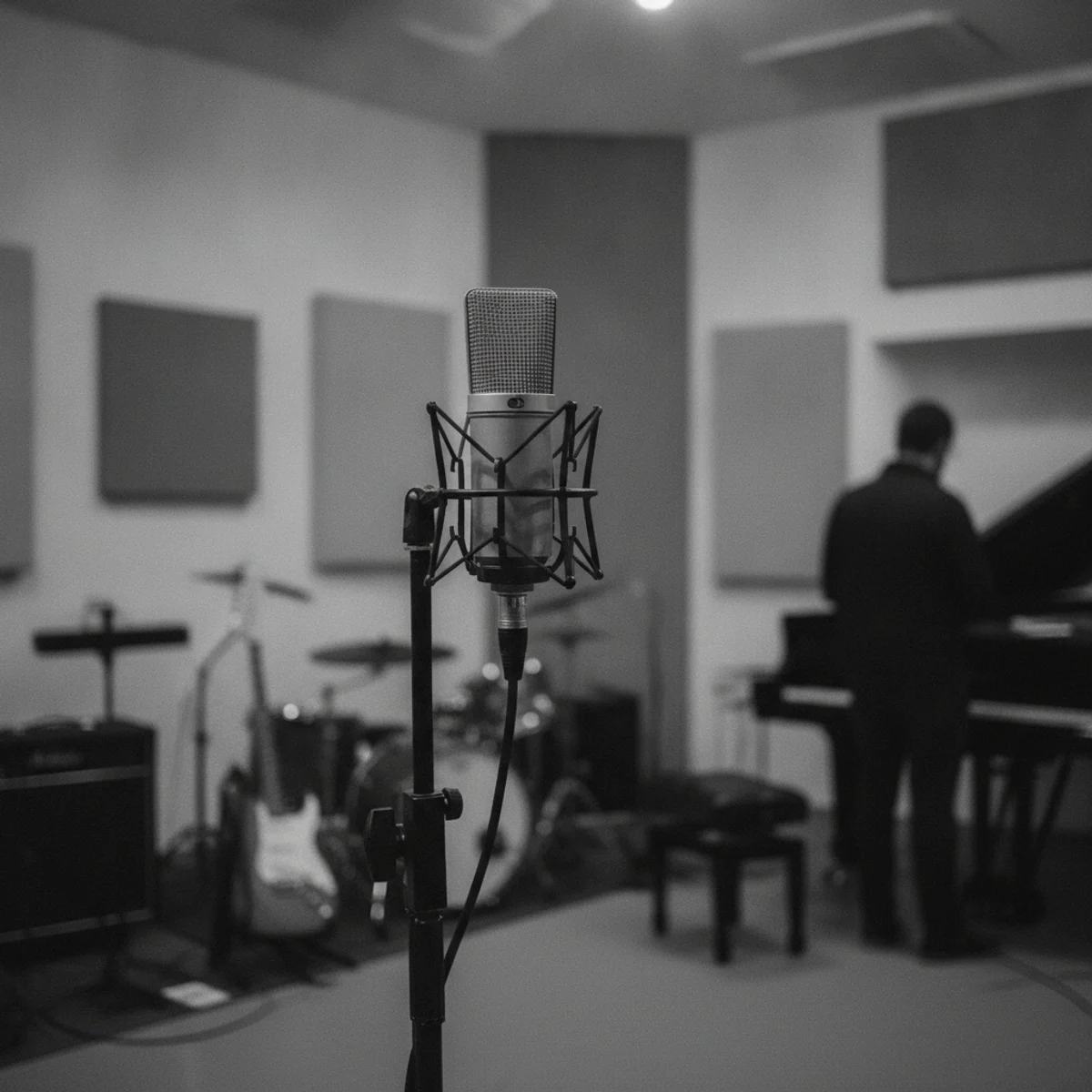
The least discussed piece of music infrastructure is a room where a band can play at full volume for several hours a week, and its availability shapes which cities produce bands.
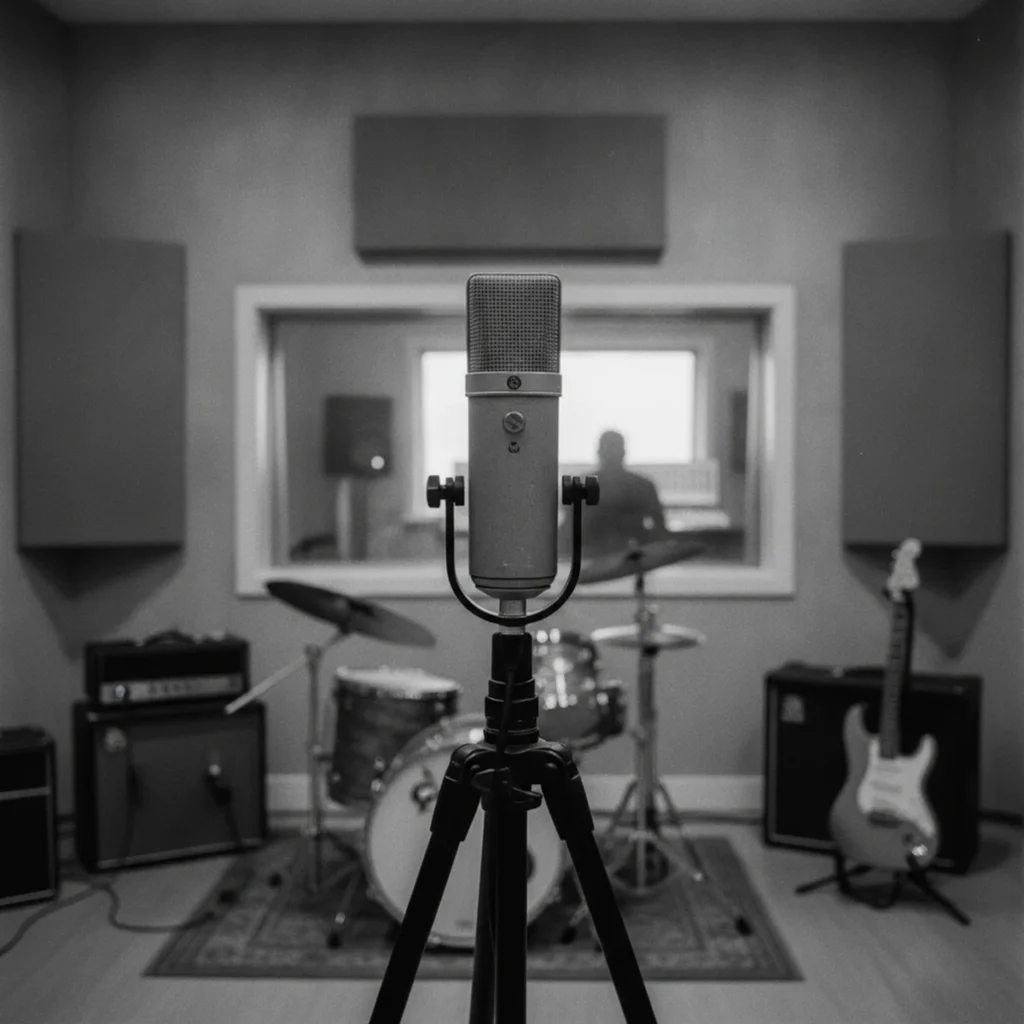
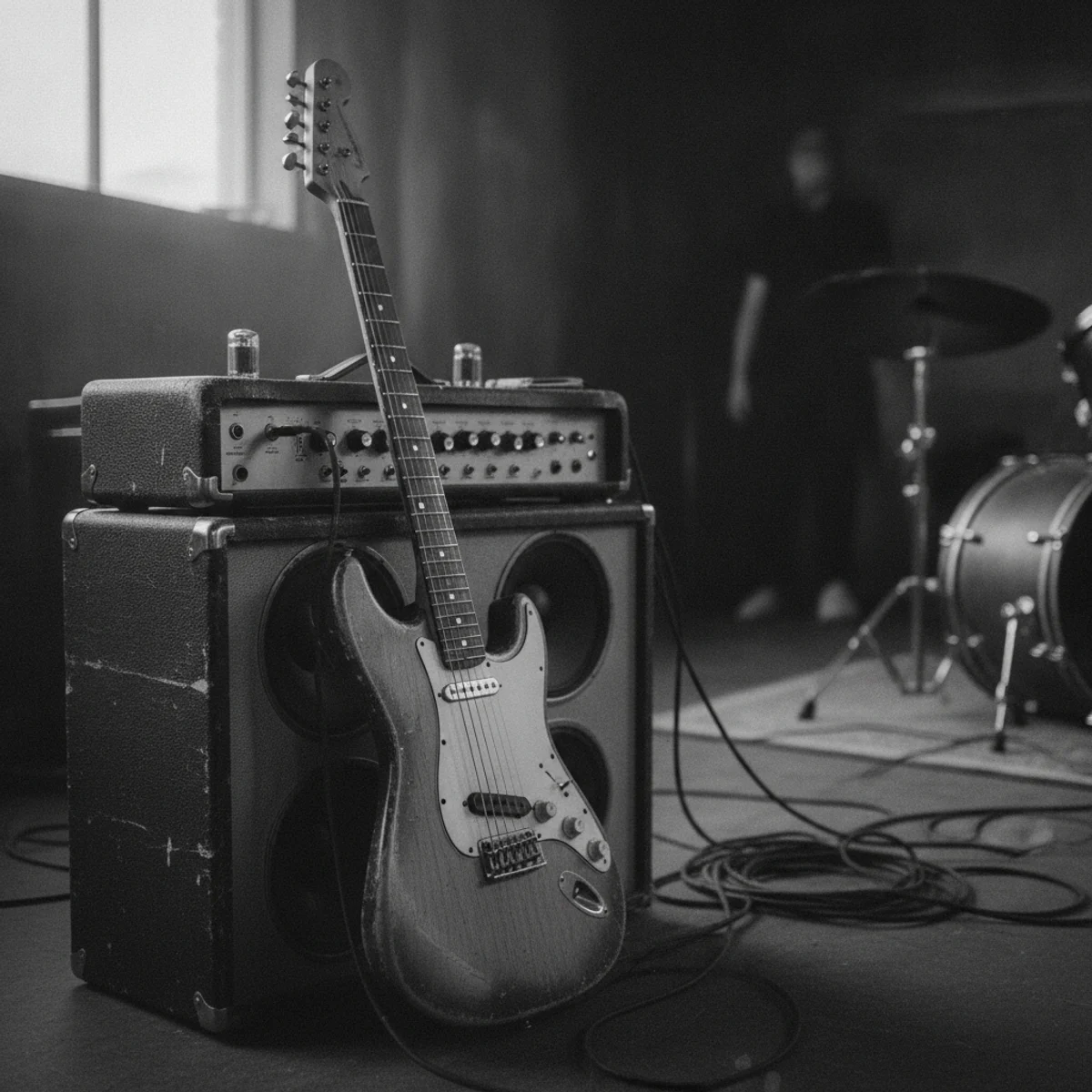
A rock band cannot rehearse quietly in any meaningful sense. Drums have a minimum volume set by physics, and the rest of the band has to balance against them. Practising at reduced volume produces a version of the material that does not transfer to a stage.
That means the requirement is specific and inflexible: a space that is loud-tolerant, available regularly, and cheap enough for people without money. Cities that supply this reliably generate bands, and cities that do not supply it generate fewer regardless of how much musical interest exists.
The Buildings That Worked Are Disappearing
Historically the requirement was met by the least valuable buildings available: disused industrial units, railway arches, basements in commercial districts and warehouses awaiting redevelopment.
Those spaces worked because they were structurally isolated from housing and because nobody wanted them for anything else. The rent was low precisely because the location was undesirable.
Urban redevelopment has systematically converted exactly this stock. Former industrial districts near city centres have become the most desirable residential areas in many cities, which removes both the cheap space and the tolerance for noise in one movement.
Insurance and licensing requirements have risen alongside rent, and they hit rehearsal spaces harder than venues because the margins are thinner. A room letting hourly at a low rate cannot absorb a large premium increase.

Residential Conversion Creates the Complaints
The pattern that closes rehearsal spaces is consistent enough to be predictable. A building operates for years without difficulty because its neighbours are commercial and empty at night. Then adjacent properties are converted to flats.
New residents arrive with an entirely reasonable expectation of quiet at night, complaints follow, and enforcement action does the rest. The rehearsal space, which was there first, is the party that has to stop.
Some jurisdictions have introduced agent-of-change provisions placing the responsibility for soundproofing on the new development rather than the existing venue. Where enacted these help, but they arrived after a great deal of stock had already gone.
What Bands Do Instead
The adaptations are visible in how bands now work. Hourly rehearsal rooms let bands pay per session rather than hold a space, which is cheaper but removes the ability to leave equipment set up and to work spontaneously.
Electronic kits and modelling amplifiers allow quiet practice, and they are genuinely useful for learning parts. They do not reproduce the experience of playing loud together, which is where arrangements are actually settled.
Some bands write and record entirely in a home setup, arriving at rehearsal only to prepare for shows. That inverts the traditional process and it produces different music, which is neither obviously better nor worse but is clearly a change.
Soundproofing is expensive precisely because low frequencies are what escape. Treating a room for drums and bass amplification requires mass and structural isolation rather than foam, and the cost is closer to construction than decoration.

The Geographic Consequence
Because the requirement is physical, its scarcity has geography. Bands relocate to wherever the space exists, which historically meant cheap post-industrial cities rather than the most expensive capitals.
That is a large part of why particular cities produced disproportionate numbers of bands in particular decades. It was rarely mysterious cultural chemistry; it was usually cheap rent on buildings nobody else wanted, plus enough people to form an audience.
The corollary is that as those cities become expensive, their output declines and the activity moves. Scenes migrate along the availability of cheap loud space with reasonable reliability.
It Is a Solvable Problem
None of this is inevitable, and the solutions are unglamorous and known. Agent-of-change rules protect existing spaces from subsequent development. Planning policy can designate and protect cultural infrastructure in the way it protects other uses.
Some cities have gone further, supporting purpose-built rehearsal facilities or requiring provision within large developments. Where that has happened the effect on local music activity is measurable.
The obstacle is that rehearsal space is invisible in cultural policy, which tends to fund venues, festivals and outcomes rather than the rooms where the work is done. Bands are the output; the loud room is the input, and it is the input that is disappearing.
Some cities have begun including rehearsal provision in cultural planning policy rather than only venues, which is the intervention most likely to work because it addresses the input rather than the output.





About The Author