
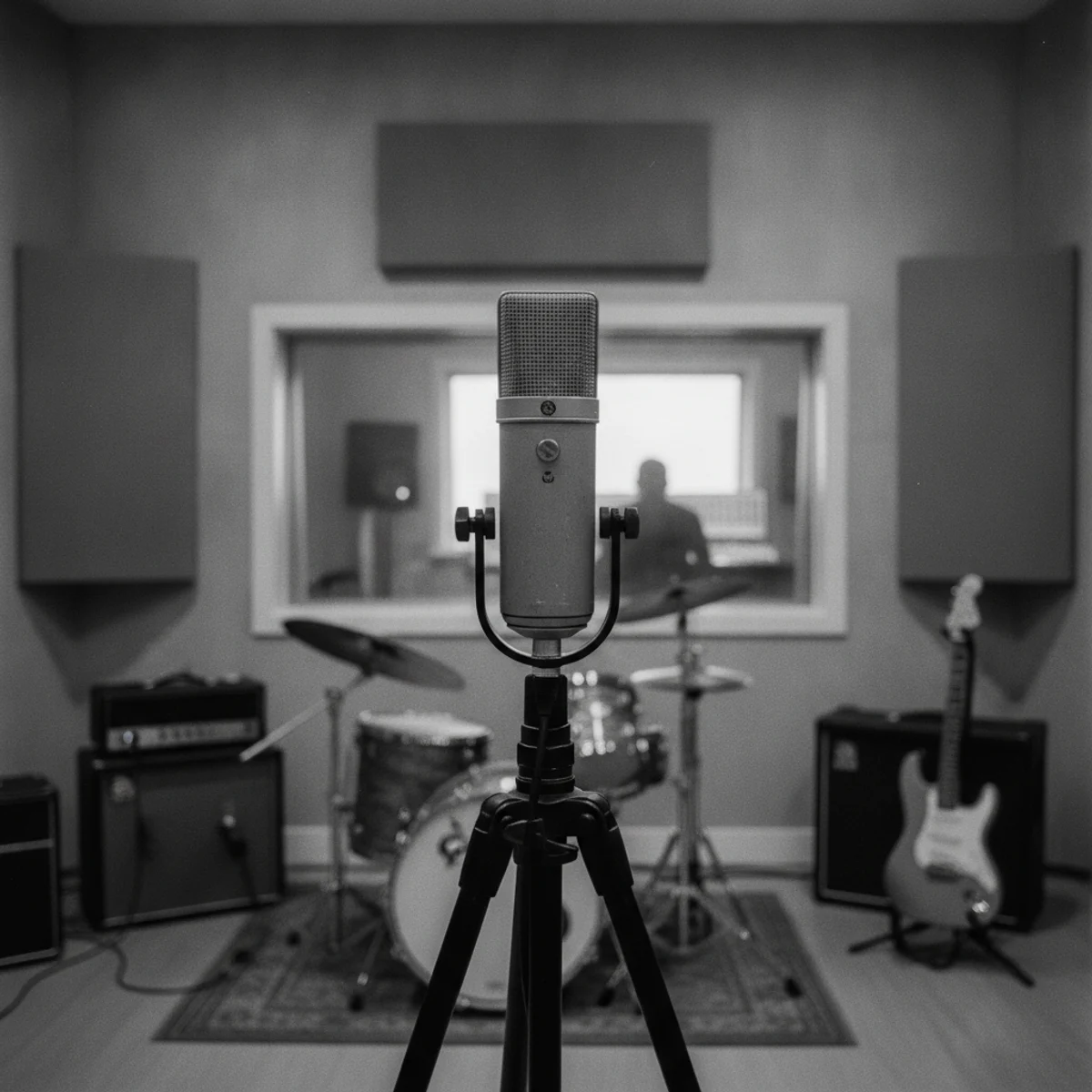
Short studio bookings are a budget constraint that produces a specific kind of record.
A great many independent albums are recorded in under a week, and that constraint shapes the result more than any stylistic decision.
You can listen to our full playlist which contains the artist’s music, and know more about the artist’s work by scrolling down the page.

PLAYLIST
Four Days Is a Budget, Expressed as Time
A great many independent albums are recorded in under a week, and the constraint is financial rather than artistic. Studio time is charged by the day, and the number of days is set by what the band or label can afford.
That converts a money limit into a time limit, and time limits shape records in ways money limits do not. Everything that happens in the studio has to fit, so decisions about what to attempt are made before anyone arrives.
The result is a specific kind of record, identifiable across decades and genres, and its characteristics follow fairly directly from the schedule.
Preparation Moves Out of the Studio
The first consequence is that arrangement work has to be finished beforehand. There is no time to work out parts on the clock, so bands arrive with material rehearsed to performance standard.
That front-loads the creative work into rehearsal rooms, where it costs nothing but time. Songs are settled, tempos are fixed and parts are learned before the session, and the studio becomes a place for capture rather than composition.
Bands that arrive underprepared lose the record. The days disappear into working out material, and what gets committed to tape is a set of first attempts at arrangements nobody has internalised.
Studio choice matters more under a short schedule than a long one. A room where the engineer knows the equipment and can get sounds quickly buys back hours that an unfamiliar facility spends, which is why bands return to the same places.

Tracking Live Becomes the Practical Choice
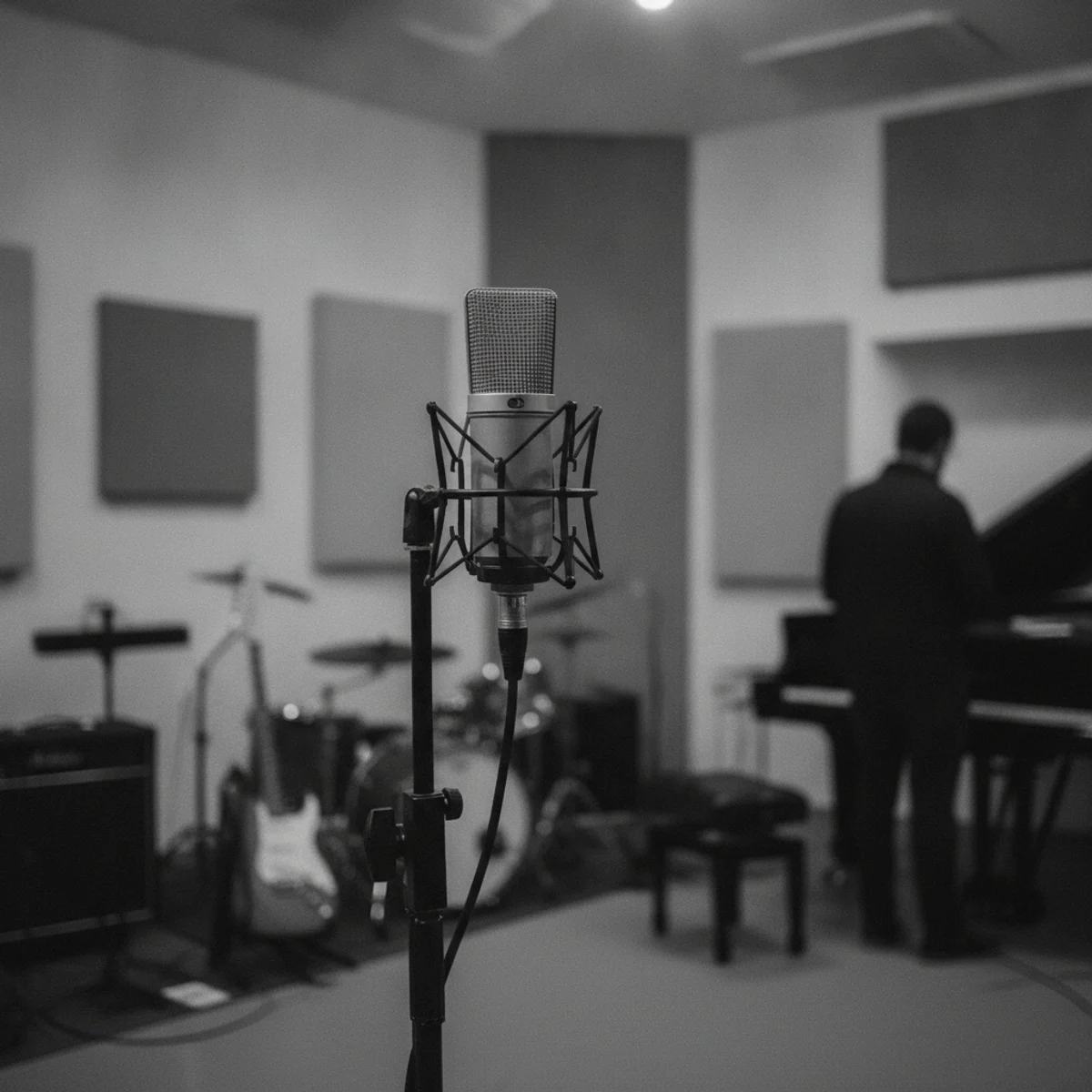
With a few days available, recording the band playing together is not a stylistic preference but the only approach that fits.
Overdubbing each instrument separately consumes far more time, because each pass requires setup, multiple takes and decisions in isolation. Capturing a rhythm section live gets the foundation of a song down in the time a single overdubbed part would take.
That produces the ensemble quality these records tend to have. The interaction between players is present because they were genuinely playing together, and the small timing relationships that carry feel survive intact.
Fewer Options Means Faster Mixing
The compression of the schedule extends into the mix. A session with limited tracks, few alternate takes and no comped composites presents far fewer decisions.
Mixing a record where each instrument has one performance is fundamentally different from mixing one with a dozen candidate takes per part. The second is a curation problem that expands to fill any available time; the first is a balance problem that resolves quickly.
That is why short-session records often sound decisive. Not because the engineer was more talented, but because there was less to be indecisive about.
Mixing is frequently done elsewhere and later, which is the one part of the process that a compressed tracking schedule does not force. Separating the two lets the band spend its studio days playing rather than deliberating.

The Genuine Costs
It would be dishonest to present this as purely beneficial. Compressed sessions produce records with audible imperfections: timing that drifts, tuning that wanders, and performances that a longer schedule would have improved.
They also foreclose discovery. Some of the best studio work comes from experiments that were not planned, and there is no room for those when the schedule is full before the session starts.
And the constraint is not chosen. Framing it as a virtue is a rationalisation of a limitation that most bands would remove if they could, and pretending otherwise misrepresents how these records get made.
Why the Records Hold Up
With that acknowledged, the records made this way have proved unusually durable, and the reasons are worth stating plainly.
They document performances rather than constructions, which gives them a coherence that assembled records have to work hard to simulate. They tend to be short, because there was no time to record filler. And they were made by bands who had rehearsed the material until they owned it.
Those are qualities that survive changes in production fashion. A record made in four days by a prepared band sounds like a group of people playing, and that has aged considerably better than most of what longer budgets bought.
The records also tend to be short, and that is not incidental. Four days produces ten songs rather than sixteen, and a thirty-five minute album with no filler has aged better than most longer ones from the same period.




About The Author