Dave Lebental and the Cost of Playing Every Part on Changing the Way I Feel
An LA Songwriter Layered Piano, Organ, Slide Guitar and Four Horns for a Five-Minute Single
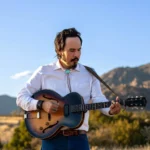
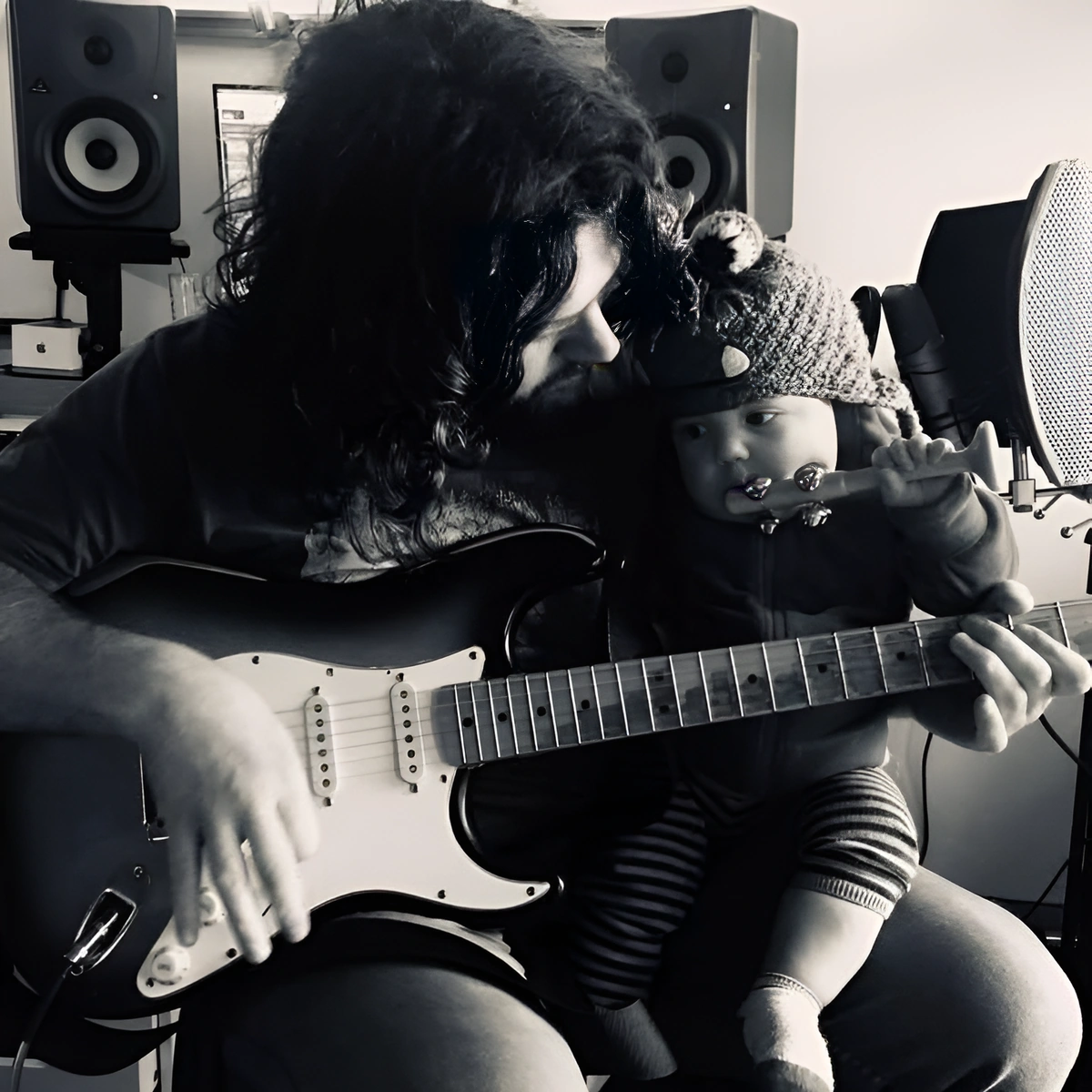
The constraint behind Changing the Way I Feel is one Los Angeles home studio and one musician. Dave Lebental wrote the song on piano, then recorded it himself. He layered grand piano, organ, bass, slide guitar and synth, then added tenor and alto saxophone, trumpet and trombone. Every vocal part is his as well. He self-released the 5:10 single on July 4, 2025. Spotify credits it to Lebental and Karma Train, the live band that backs him on tour.
Dave Lebental’s Changing the Way I Feel is in the playlist below. His full run of coverage sits on his artist profile. Changing the Way I Feel reached this desk through PopHits.Co Music Charts, which verifies independent artists and places their releases across its network of music news desks. Press play, then keep reading for what fills those five minutes.

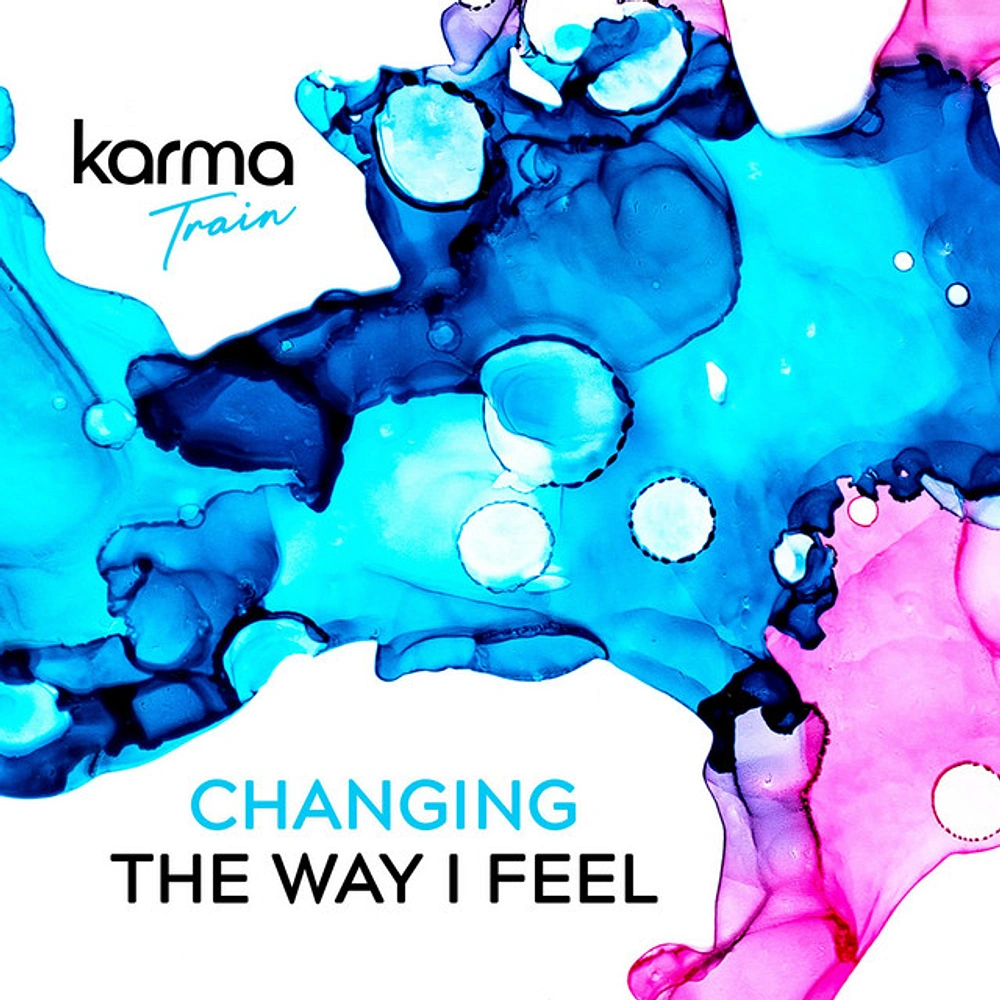
The Mood of Changing the Way I Feel Is a Bad Day Turned Around by One Good Song
The subject is small on purpose. Lebental has said the song is about the power of a great song to change a whole day. The hook says as much: it is not changing the world, only the way he feels. That modesty sets the mood. It is a lift, not a manifesto.
There is a second layer underneath. The song also looks at songwriting itself. That part is hard to explain to anyone who has never waited at an instrument for an idea. Reviewers of the album it later joined heard a song about creative block and the effort of pushing past it. In other words, the cheerful surface starts from a less cheerful place.
Lebental calls the style progressive pop. The song moves through several sections rather than one verse and chorus loop. Even so, the hooks come back often enough to keep the listener oriented. As a result, the length never feels like a test of patience.

The Moment It Earns Is the Commute or the Desk After a Stalled Creative Afternoon
Five minutes and ten seconds is long for a pop single, so the track needs the right moment. The best one is the end of a bad working day. At that point, a song with a turn in it can do the job the lyric describes. A drive works too, because a five-minute song with several sections has room to develop over a stretch of road.
It also suits anyone who makes things for a living. The song is about the stretch between a blank page and a finished idea. Writers, designers and other musicians will recognise that territory. For that listener, the multi-part structure is the point. It mirrors the subject: an idea worked into a finished song.


Pair Dave Lebental With Steely Dan, Ben Folds and Elvis Costello for Horns and Piano
The pairing list follows the instruments. Steely Dan built their late-1970s records on horn charts over piano-led arrangements. They used some of the most expensive session players in Los Angeles. Lebental’s single uses the same palette with the opposite budget: he played the trumpet, trombone and both saxophones himself. That contrast is the useful listening exercise.
Ben Folds is the pairing for the piano. His records showed that a pop rock song could start at the keyboard rather than the guitar. Changing the Way I Feel starts there too. Elvis Costello is the pairing for the writing: pop songs built on a lyric idea, with full band arrangements. The UK site Loop Solitaire named him among the influences behind the album the single later joined.
The independent route explains the rest. Lebental told the Italian outlet Brio Media that his piano pulled him in while he wrote his second album. A label, he added, would probably have asked for another Americana record. Without one, he followed the piano.
Where a Five-Minute Progressive Pop Single Fits on an AOR or Piano Rock Playlist
On a playlist, Changing the Way I Feel sits best in AOR and piano rock company. There, longer songs and full arrangements are the norm. It also works as the closer of a feel-good set, because the lyric is about a song improving the day. For a new listener, it is the easiest way in. The piano, the horns and the voice all meet in one song.
The single now lives in two places. It came out on its own in July 2025. Then it joined Stylus, which Lebental and Karma Train released on February 20, 2026. Pulse Hutch heard that album as a shift into melodic piano rock after the Americana of The Long Player. Before both records, Lebental fronted the 1990s bands Sunflower and Placebo Royale on the California club circuit.
From the BestRock.News curator team: “Playing every part is a budget decision. It is also an arranging decision: one person covered piano, organ, slide guitar and four horn parts. Changing the Way I Feel brings its hooks back across five minutes, so the sections never lose the listener.”
Stream Changing the Way I Feel and Follow Dave Lebental and Karma Train
Stream Changing the Way I Feel on Spotify or Apple Music, and catch the live streams on his YouTube channel.
Follow Dave Lebental on Instagram and Facebook, and the band on Karma Train’s Facebook and YouTube pages. Tour dates and records are on Dave Lebental’s site and the Karma Train site.





About The Author