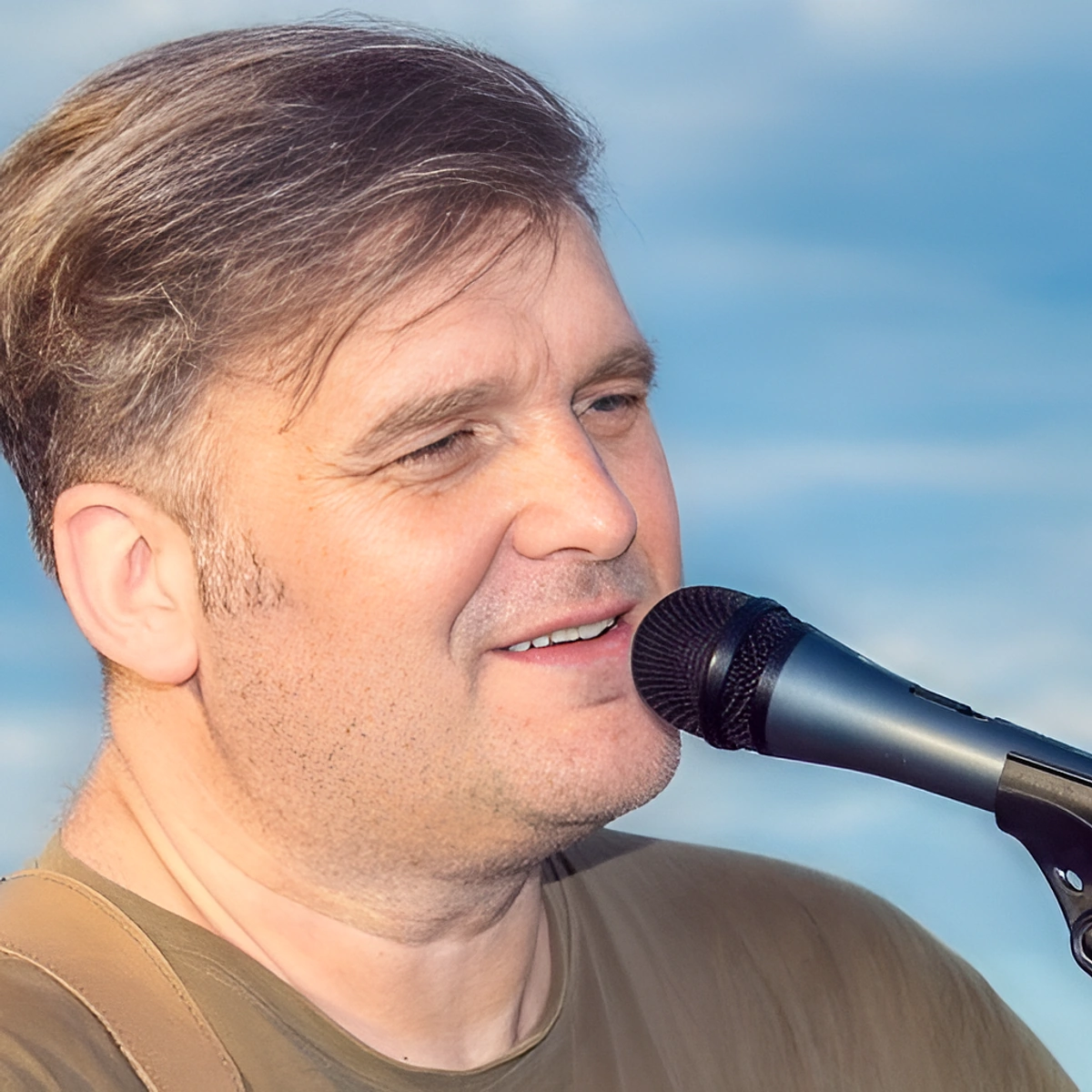
Tim Eveleigh and the Cost of Trying to Help on Life Is Not a Competition
A Croydon Songwriter’s Second Album Builds Ten Songs Around Reassurance and Restraint
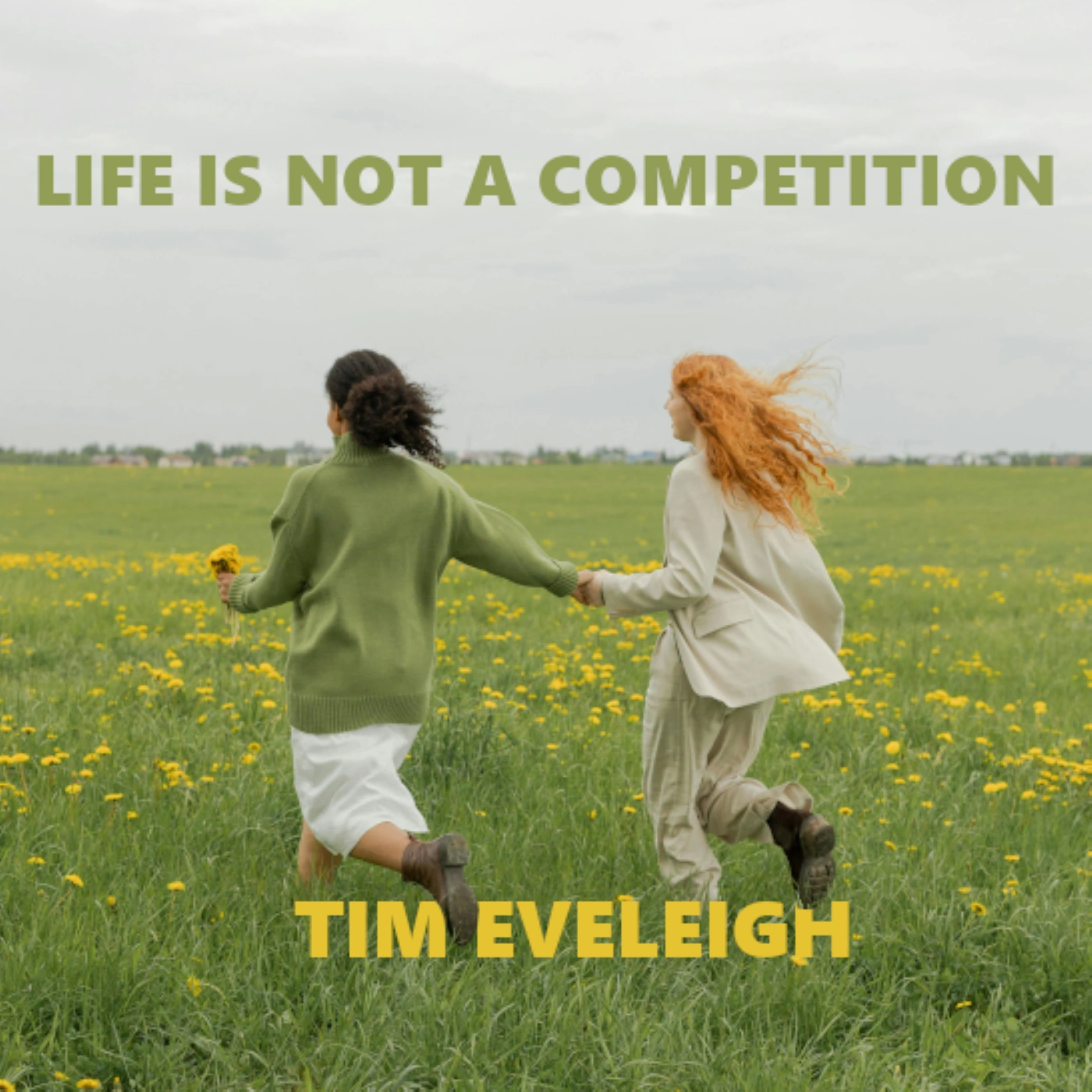
The front cover photograph came from Pexels, a free stock library, and the CD costs £3.50 or more. On that budget, Tim Eveleigh made Life Is Not a Competition, an album of alt-folk and acoustic rock. He put it out himself on 24 November 2025, and the download is name-your-price.
Tim Eveleigh’s full album and every channel he uses sit further down this page, and his coverage history is collected on his artist profile. Life Is Not a Competition came to this desk through PopHits.Co Music Charts, which verifies independent artists and places their releases across its network of music news desks. Put it on, then keep reading.
A Two-Minute Opener Called Assist Sets Out the Rule Behind This Self-Released Album
It is his second album, after A Record. Tim Eveleigh recorded it at Churchgate Heights, the personal studio of producer Andy Thornton. The sessions produced ten short songs. He added a horn section, a viola, a spoken-word piece and a choir of seven extra voices. Instead of spreading them across the record, he lets each one arrive only where a song asks for it.
The opener, Assist, sets the terms in two minutes and four seconds. Its verses list everything the singer owns and paid for. Then the refrain undercuts each boast with a plainer admission: “I was only tryin’ to help”. That line is the album’s hook in both senses. It sticks after one play, and the next nine songs keep testing it. The Big Takeover heard the song as a manifesto for doing your best and wanting the best for others. That also works as a summary of the whole record.
The title works the same way. Tim Eveleigh has said he keeps the word reassurance at the front of his mind whenever he writes. He ties it to worries about mental health and money, which he thinks people underestimate. So Life Is Not a Competition reads as a working rule as much as a title. In fact, the songs keep returning to what people owe each other, rather than what they win.

Food Waste, War and Three Voices Shape the Alt-Folk Lyrics Tim Eveleigh Wrote for His Second Album
Eveleigh writes in short, declarative lines. He also lets repetition do the job that adjectives would do in a fussier song. For example, Flooded opens with “Waters rise and the bodies fall”. The image then returns between pleas for someone to catch, hold and teach the singer. As a result, the chorus frames every request in the verses.
Uniform rests on one blunt question: “If there was a war which side would you join?” Its refrain then shifts pronoun each time, from we to you to I. Each version asks who came home wounded. The plain register recalls Billy Bragg, whose name also appears in the album’s own Bandcamp tags. Bragg’s Between the Wars (1985) put the politics of work and conflict into everyday words over a lone guitar. Similarly, Uniform takes that route to a question about who goes to fight.
Enough and Drowning Take Tim Eveleigh Furthest From Ordinary Song Form
Enough moves furthest from song form. Eveleigh speaks much of it instead of singing, and the printed lyric runs to one long sentence. That sentence follows good food going to waste and the plate it should have reached. The Big Takeover’s Dave Franklin compared its comic, conversational delivery to Arlo Guthrie. The lineage holds. Guthrie’s Alice’s Restaurant Massacree (1967) proved that a talking monologue can carry an argument. The trick is to let the humour keep the listener in the room. Enough uses the joke the same way. As a result, it gets a point about the haves and the have-nots across in under three minutes.
Drowning is the most formally ambitious lyric here. The lyric sheet splits it into Voice One, Voice Two and Voice Three. First, one voice asks someone to tell it who to be and what to do. Next, a second voice admits to not listening. Finally, a third answers both with a condition: people who want to understand each other need to talk. In Drowning, the layout of the words carries the argument. It also gives the record a calm centre.
Built From the Cajon Up at Churchgate Heights, With Horns, Viola and a Seven-Voice Choir
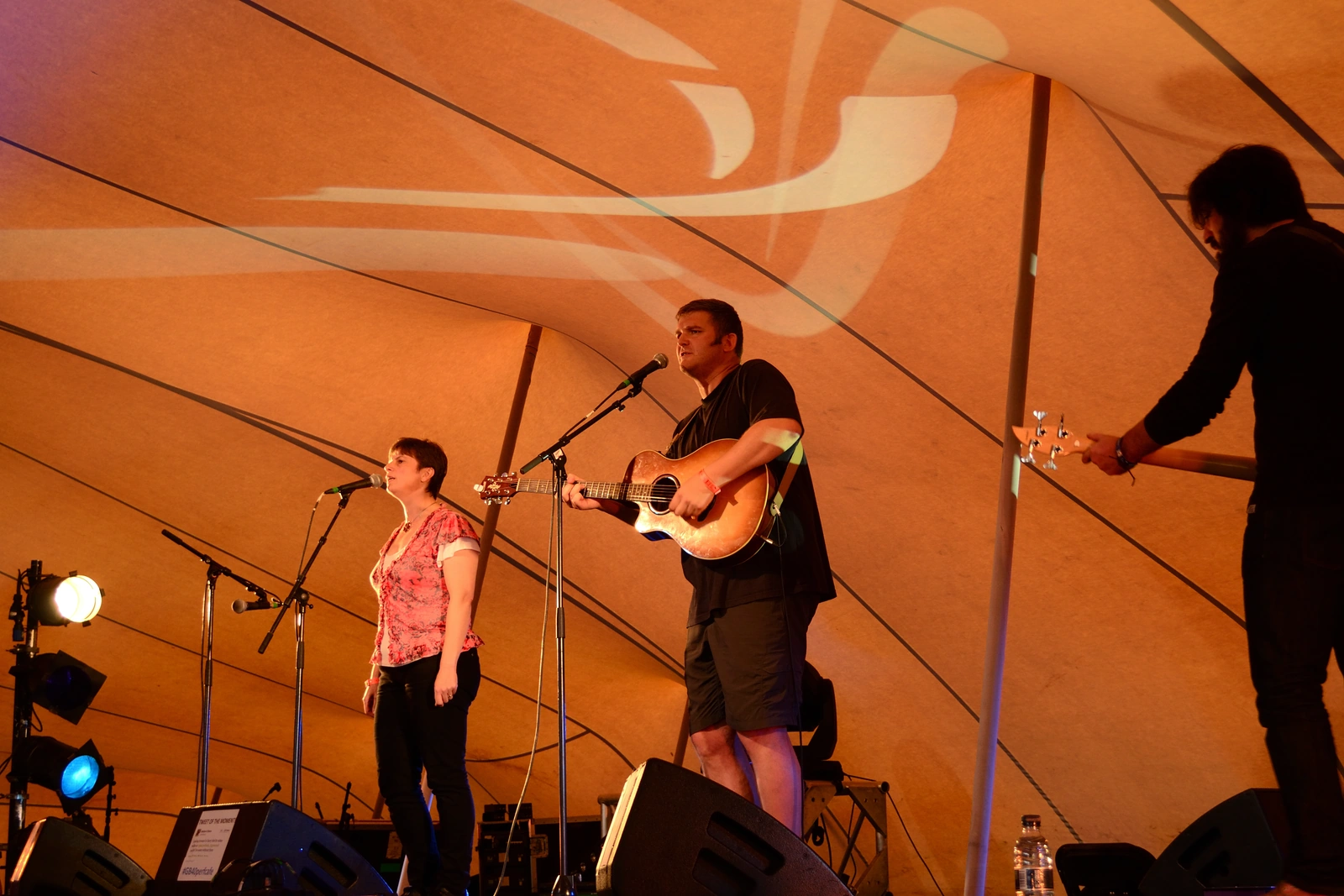
Thornton recorded, produced, mixed and mastered the album. The credits split vocals, guitars, keyboards, bass and percussion between him and Tim Eveleigh. Much of the record grew from the rhythm up, starting with a cajon part. In an interview with The Interviewist, Eveleigh described that method as starting from an almost empty page. That leaves room for other instruments. It also pushes him to keep only what a song needs to feel complete.
The running order shows the same discipline. Nine of the ten songs finish inside four minutes. Indeed, Assist, Trespass and Timeline each finish in under two minutes and twenty seconds. Guests also appear only where a song calls for them. Sam Gee arranged and played the saxophone parts on Trespass and Flooded. Meanwhile, Maria Levesley adds vocals, and Helen Parkyns contributes vocals and viola. The credits even include a field recording Eveleigh made on Brighton beach.
Rage In The Darkness Closes With Thornton’s Own Song and Seven Extra Singers
The one long track is the closer. Rage In The Darkness runs six minutes and 25 seconds. It is also the only song on the album that Thornton wrote rather than Eveleigh. Its final stretch brings in seven additional singers. They are Lucy Bone, Ben Cosh, Simon Guy, MJ Hibbett, Neil Ridulfa, Adrian Taylor and Charlotte Wadsworth. Eveleigh has described that choir as an idea he carried for some time. It was also a way to bring more people into the recording. After nine compact songs, the length lands as a release of pressure rather than a stretch.
Since November, the album has drawn coverage from Sinusoidal Music and TeethSound as well as The Big Takeover. A new video for Flooded followed in September 2026. Meanwhile, the album’s Bandcamp page carries a short note from Eveleigh. In it, he writes that songs never feel finished to him, and he asks listeners to look after them. The record has earned that much.
From the BestRock.News Curator Team: “Echoes is the one we keep returning to. Keyboards carry its story of monsters under a child’s bed. Yet it shares a record with a song about who comes home from war. Life Is Not a Competition gives both fears the same patience, and that is the reassurance in the title. Nothing on it has to win.”
Where to Hear Tim Eveleigh, From Bandcamp and Apple Music to SoundCloud and Instagram
Who is it for? It suits listeners who come to folk for the words. It also suits fans of Billy Bragg’s plain speech and Arlo Guthrie’s humour. Above all, it rewards anyone who likes a record that states its thought and moves on. So start with Assist, spend time with Drowning, and let Rage In The Darkness close it as Tim Eveleigh intended.
The quickest way in is the full album player. Tim Eveleigh’s music also lives here:
- Stream and buy: Apple Music, Bandcamp, SoundCloud, Deezer, Amazon Music, YouTube Music and 7digital
- Also on: Audiomack, Anghami, Mirlo, Subvert and Amazing Radio
- Follow him: YouTube channel, Instagram, Linktree and his official website


About The Author