

The Silence Industry and the Cost of a Library-Printed Zine: The Lamest Cyberpunk Dystopia You Could Imagine
Nine Vancouver Gothic Rock Songs and a Lyric Zine Printed at the Local Library
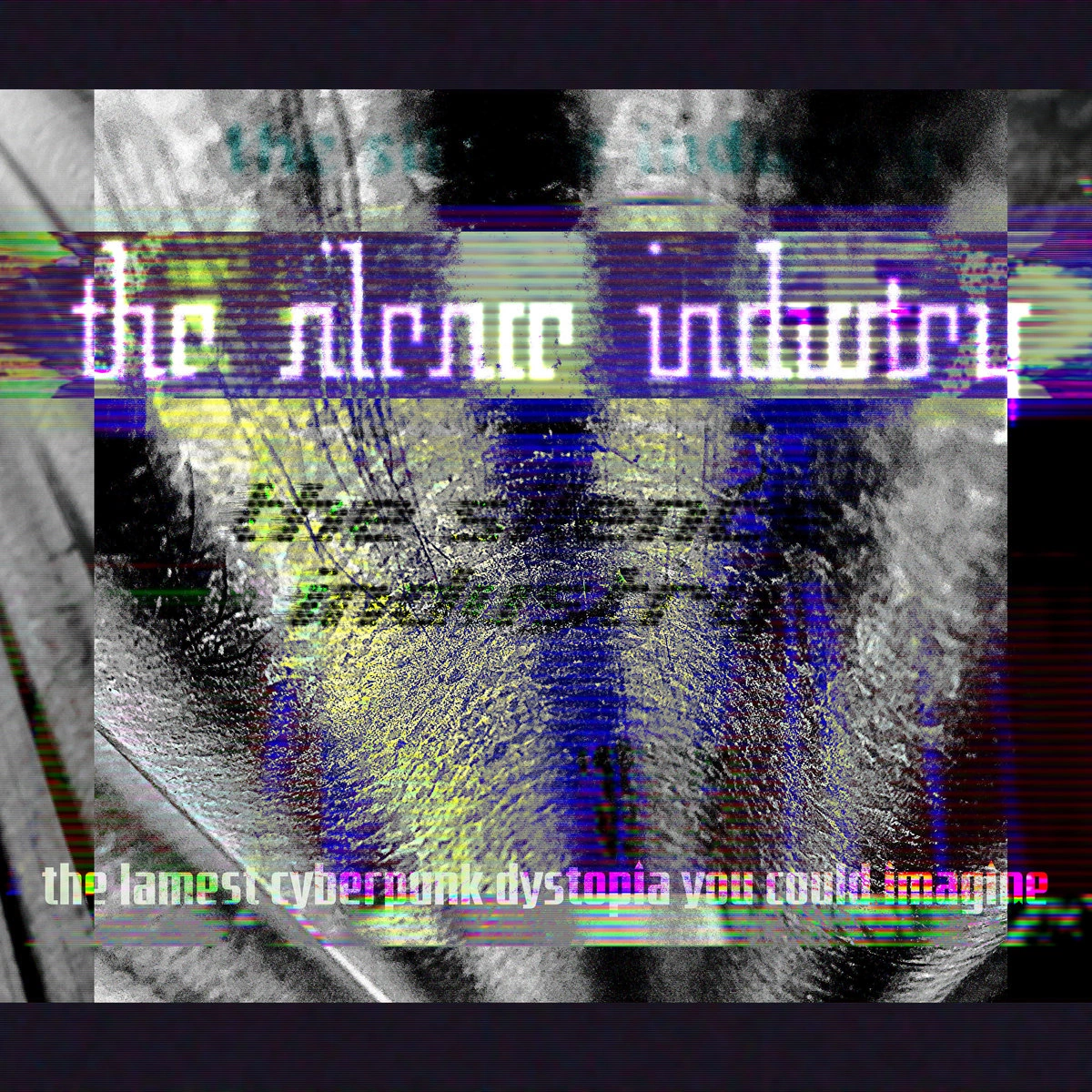
The lyric book for The Lamest Cyberpunk Dystopia You Could Imagine was printed at a local library. Each of its 50 copies was assembled by hand. Inside are scans of handwritten lyrics for nine songs by The Silence Industry, a Vancouver gothic rock project. The album came out through Aenaos Records on 20 September 2024. Two years on, the writing still repays the close reading that zine invites.
The Silence Industry’s opener, As The Walls Close In, sits in the playlist below with other post-punk and darkwave picks from this desk, and The Silence Industry artist profile gathers every feature so far. The Lamest Cyberpunk Dystopia You Could Imagine reached us through PopHits.Co Music Charts, which verifies independent artists and places their releases across its network of music news desks. Press play, then keep reading for the lyric sheet.

The Silence Industry Hang Their Hooks on Questions, From Crumbling Concrete to a General Strike
The Lamest Cyberpunk Dystopia You Could Imagine starts with its biggest ask. As The Walls Close In runs for seven minutes and 57 seconds. Its hook is a pair of questions rather than a slogan: “do you still feel alone? do you still feel alive?” The song never answers them. Instead, it closes on two more. It asks whether anything is left of either person, and whether the decades carrying them away lead “to a better place”.
That restraint is the hook. A lot of gothic rock reaches for the big declaration. This opener, however, holds back and leaves the listener inside the question. Meanwhile, the arrangement carries the weight. The Big Takeover heard the track as a signpost between two places. One is the artful fringe of the gothic world. The other is the electronica that Depeche Mode pushed to its apocalyptic end. The length gives both sides room.
The same instinct shapes Headlong (General Strike!), first issued as a single in May 2024. Its refrain works as an interruption. In the closing section, the lyric sheet prints the words general strike in brackets, four times. It reads like a chant heard from the street outside the song. The project also lists labour songs among its influences, and this is where they show. Still, keeping the chant in the margins stops the album’s most political moment turning into a placard.

The Lyric Sheet Reads Like a Report From a City in Trouble
The words across the album build one setting and stay in it. As The Walls Close In places two people alone together in halls of “concrete crumbling”. Then it sinks them into a “nightmare sea”. Forward And/Or Dust! marches past mossy stones and rainy streets. Later, it asks whether there is too much “blood on our hands”. Headlong (General Strike!) sets “hammers striking stones” against towers that lean like “exhausted giants”.
Allen Peterson Reviews heard dystopia, existential doubt and a growing disconnect between people in these songs. The lyric sheet supports that reading. Even so, the writing never sounds defeated, because it keeps pulling towards company. For example, the figures in the opener face the flood together. The closer, Black Pill, asks a brother not to let the fires go out. Then it turns down the offer in its title. In online slang, the black pill stands for giving up on things ever getting better. The song refuses it, line after line. Finally, it settles on an image of holding heaven in our hands.

Nine Tracks in 52 Minutes Give The Silence Industry Room for a 21-Second Interlude and a Nearly 13-Minute Closer
The album gathers the project’s digital 7 inch series of singles and adds new material. The sequencing shows how carefully the two were fitted together. Long songs carry the weight, including The Crawling Eye at six minutes and 49 seconds and Headlong (General Strike!) at seven minutes and 26 seconds. Short pieces break them up. For instance, Misery Machines Go Brrr lasts 21 seconds, and Edgar Allan Poets called it a curveball. We Are Banging On The Gates Of Hell is over in two minutes and 38 seconds. AoE (For Realsies Tho) then takes just over three minutes before the finale.
Forward And/Or Dust! is the march. The Big Takeover compared its groove to Killing Joke. The London band’s early records built post-punk on tribal drumming and a martial pulse. Similarly, the lyric marches forward to the edge, or to dust. After that, And Echoed In The Sounds Of Violence slows the pace for four minutes and 43 seconds.
A Closer That Earns Nearly 13 Minutes
The closer is the structural risk. Black Pill is the brand-new song the project put at the heart of the record. It runs 12 minutes and 51 seconds, close to a quarter of the album on its own. It earns that length through return rather than escalation. The tide line comes back, and so does the refusal. As a result, the hope it settles on is reached slowly instead of being announced.
Edgar Allan Poets also heard Christian Death and The Cure in the blend, set against modern industrial elements. That pairing is a useful map. Christian Death’s 1982 debut, Only Theatre of Pain, helped define American deathrock in Los Angeles. The Cure’s Pornography, released the same year, made a whole album out of dread and repetition. The Lamest Cyberpunk Dystopia You Could Imagine takes the second lesson most seriously. Its longest songs get their pull from coming back to a line, not from climbing to a chorus.
What One Euro Buys
The digital album sells on Bandcamp for one euro or more. That price matches how the project has always worked. The Silence Industry formed in Vancouver in early 2007, and its lineup changes as collaborators come and go. On this record, every word, note and instrument came from the project and some friends. Its own account also describes a commitment to libre music and a resistance to treating records as products. Much of the catalogue has gone out through netlabels and for free.
The physical edition follows the same logic. The companion zine, which IGGY Magazine singled out for its lithographs of handwritten lyrics, comes with the music on CD-R or USB stick. It also includes the b-sides from the singles series.
Who This Album Is For
It suits listeners who keep post-punk and gothic rock records side by side. It also suits anyone who still wants lyrics worth reading on paper. Anyone who already owns Killing Joke and Christian Death records will find a recent, independent album worth the time. The Bandcamp edition adds two exclusive bonus tracks, including a newly recorded version of The Edge of Illusion.
BestRock.News curator team: “The vocals on The Lamest Cyberpunk Dystopia You Could Imagine are drenched in reverb and woven through the tracks. As a result, the lyrics reach you as noise before they reach you as words. A zine of handwritten lyric scans is the right companion for a record built that way.”
Where to Stream, Buy and Follow The Silence Industry Across Bandcamp, Spotify and Beyond
Stream The Lamest Cyberpunk Dystopia You Could Imagine on Spotify, Apple Music, Amazon Music, Tidal, Deezer and SoundCloud. To buy it with the zine and the bonus tracks, go to Bandcamp. Jamendo carries free downloads from the catalogue, and the project also keeps a page on ReverbNation.
Find more on the YouTube channel and check news on the official site. Then follow The Silence Industry on Instagram, Facebook, Threads and Bluesky.











About The Author