Emker Cel and the Cost of Trading the Band for Rita Baugh on The Quietest Of Revolutions
Sea House Founder Matt Kassell Trades the Band for Two Guitars and Rita Baugh’s Harmonies
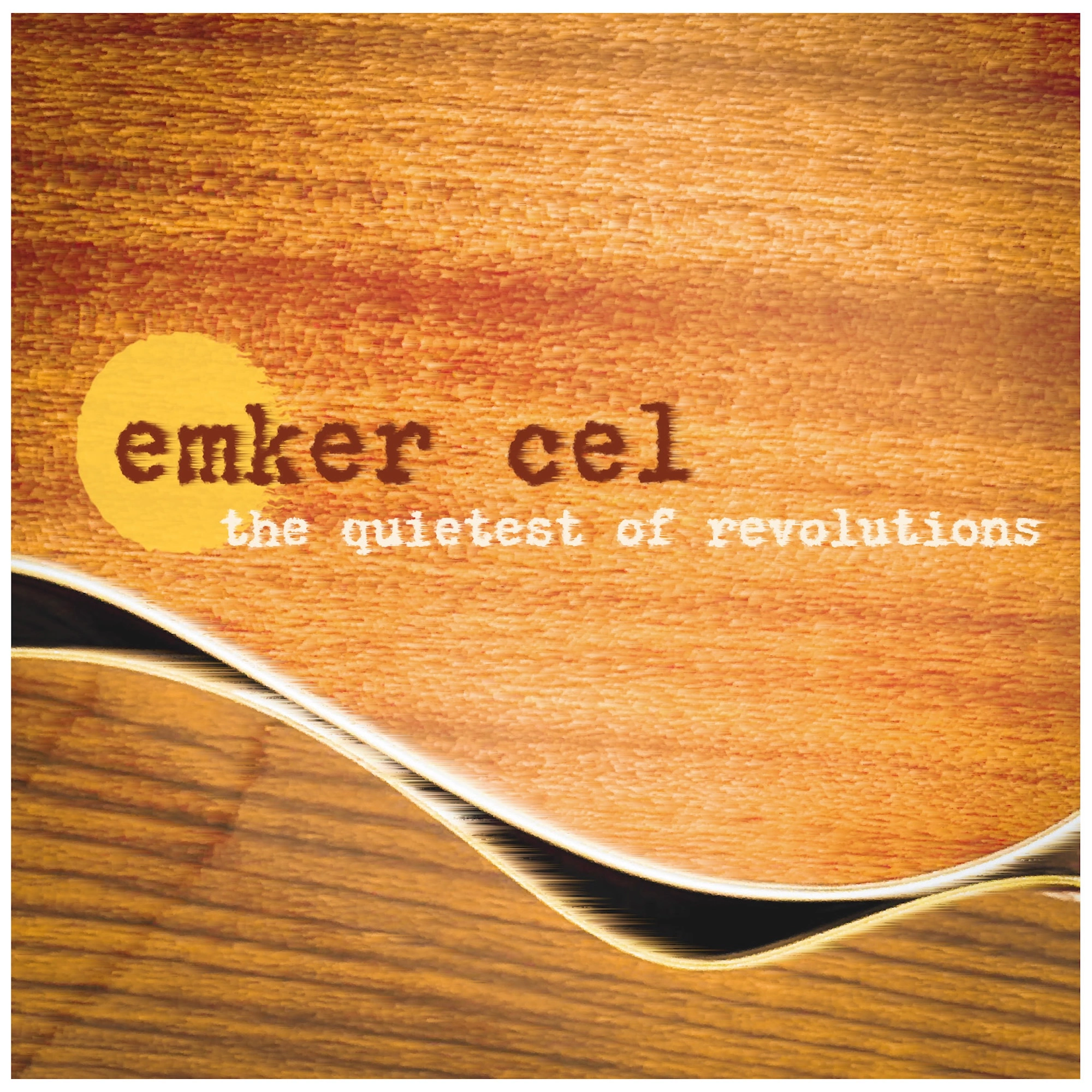
The Quietest Of Revolutions was made with two guitars, two voices and three microphones. The studio, in Barrow-in-Furness, belongs to the man who wrote every song. That man is Matt Kassell, who records as Emker Cel. He also founded Sea House Records, the volunteer-run label that released the album on 4 September 2026. This time he leaves the band out and shares the songs with one guest singer, Rita Baugh.
Emker Cel’s full run of coverage is collected on his artist profile. The Quietest Of Revolutions came to BestRock.News through PopHits.Co Music Charts, which verifies independent artists and places their releases across its network of music news sites. Put it on, then keep reading.
Sea House is the context. The label is a not-for-profit community interest company, run by and for its artists. It has also opened its own live venue in town, The Sea House. The roster, for example, is deliberately mixed, from Mark Docherty to Prater Monks and PaZz. Then, in 2025, the label released Songs From Round Town, ten new songs about the town by its own artists. It was part of a Lottery Heritage Fund project.
Kassell recorded, mixed and mastered that compilation too, and played double bass in its house band. That is, in short, the shape of a small scene. The same few people run the label, the room and the rhythm section. They also make their own records in the gaps.

Emker Cel Made The Quietest Of Revolutions Inside Barrow-in-Furness’s Volunteer-Run Sea House Scene
Emker Cel began as a solo project with a first album in 2016. A band then formed to play live, and the next album, From The Waves, followed in 2018. After that came a long gap. His label biography puts it down to fatherhood, lockdown and a bad case of long covid. Finally, this year brought Emker Cel Is Ten!, a singles collection marking the project’s first decade, and then this album.
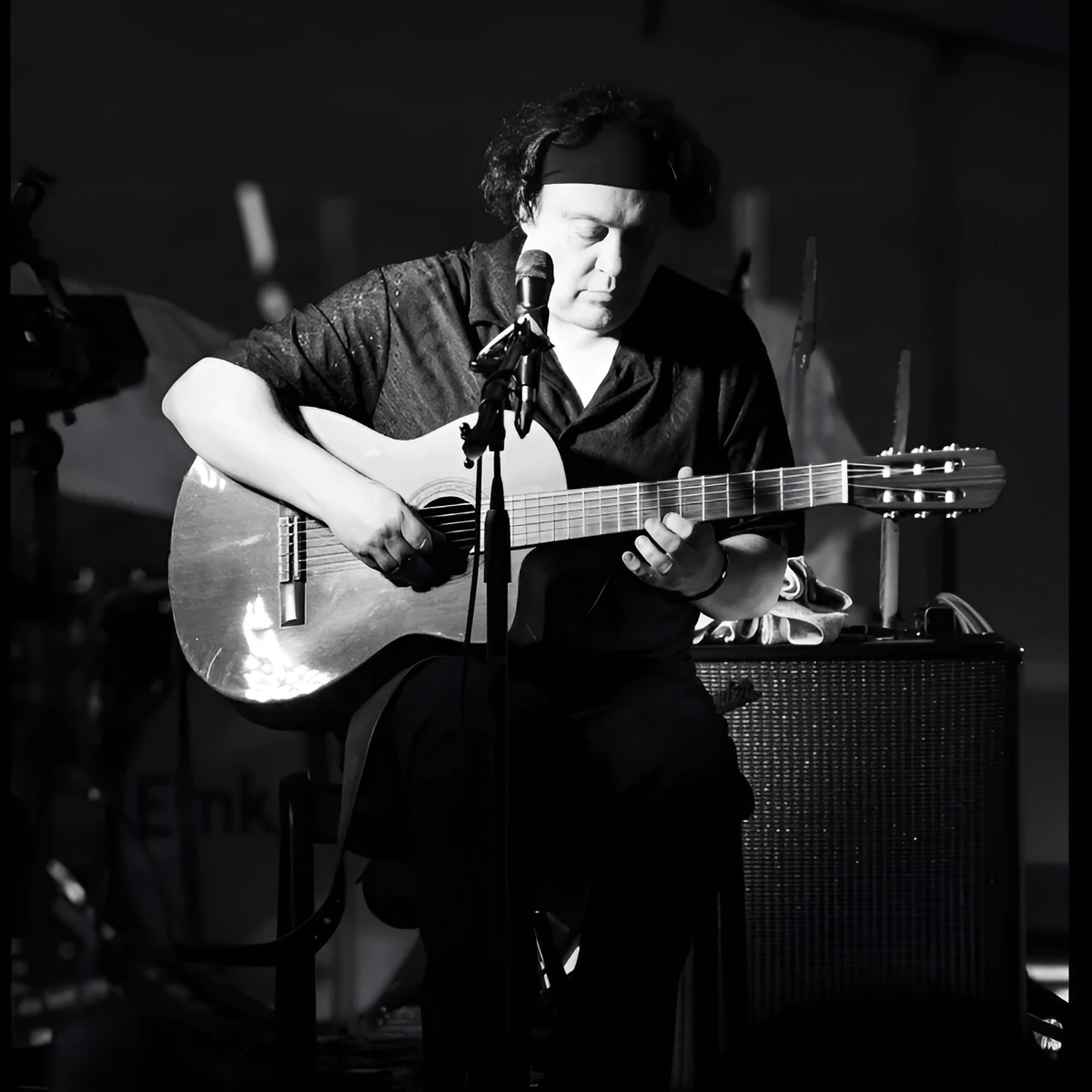
The new record, however, strips all of that back. Kassell plays an Epiphone Hummingbird acoustic and a Takamine nylon-string classical guitar, and sings. He recorded the guitars through an AKG 414 condenser and a Golden Age R1 ribbon microphone. His voice went through a Shure SM7B, and everything ran through valve preamps. Between May and June 2026 he engineered the sessions himself, then mixed and mastered the album.
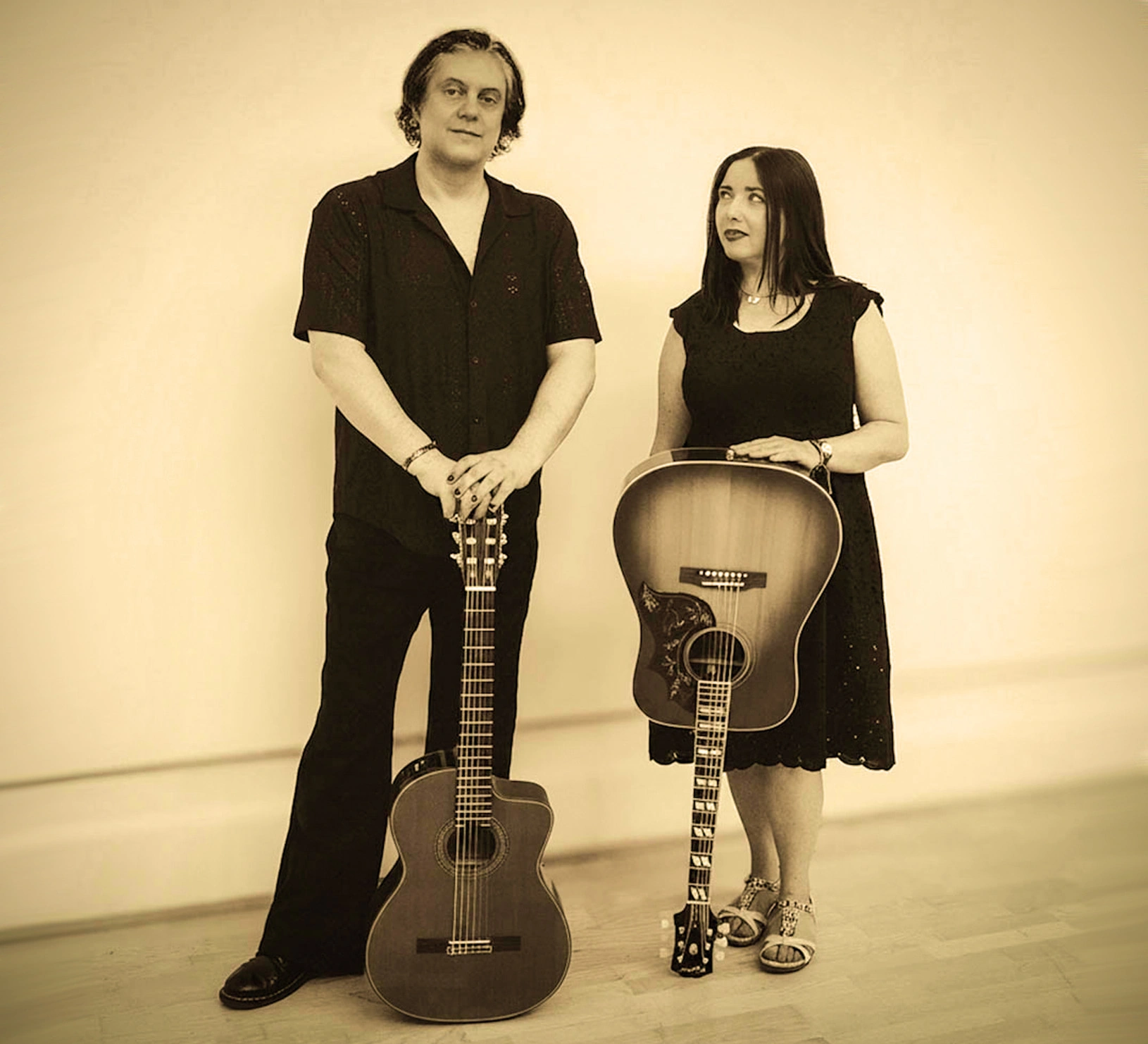
The second voice belongs to Rita Baugh. Kassell had finished his guitar and vocal parts before she arrived. So she added her harmonies in the last week of the sessions. He liked her voice enough to write one more song for the two of them. As a result, Waits And Wonders went onto the album at the last minute. It carries her name as the featured artist.
In addition, the limited CD on Bandcamp adds three bonus tracks from the same sessions. The album notes call them The Home Trilogy: Home, Halfway Home and Home Part 2. Alpha Duplication pressed the discs, and Sea House handled the distribution.
BestRock.News’s curator team: “Kassell runs the label, the studio and the desk. On The Quietest Of Revolutions he spends all that control on subtraction. Ten songs, about 34 minutes, no drums. The restraint is the statement. It is why we would hand this record to anyone who still buys CDs from a local label.”
From Field Music to Sad-Eyed Puffins, the Company Emker Cel Keeps Around The Quietest Of Revolutions
The best-known name in the Emker Cel story is Field Music. The Sunderland band centres on the brothers David and Peter Brewis. Kassell collaborated with them on the single Understood. In effect, that places this small Cumbrian operation next to one of the North East’s most respected independent bands.
Rita Baugh’s own band is Sad-Eyed Puffins, a psychedelic indie group from Grizebeck, Ulverston and Barrow. In it she sings and plays guitar and percussion. She is also a singer-songwriter in her own right. Originally from the Netherlands, she has made Cumbria her home.
For listeners outside Cumbria, however, the clearest reference point is Gillian Welch and David Rawlings. Their records rest on the same two voices and two guitars. All the Good Times, the first album credited to both of them, won the 2021 Grammy for Best Folk Album. The Quietest Of Revolutions is a smaller, more local version of that idea, made on a volunteer label’s budget.
Closer to home, Songs From Round Town is the best map of the scene around the record. Jonny Swift’s Under The Shipyard Lights, Pearl & The Piano’s The Devilment Shift and Prater Monks’ The White Lion, Slater Street sit alongside Emker Cel’s own Island Skies.
The album suits listeners who like acoustic songwriting and indie folk with the edges left on. Hear it on Bandcamp, where you can also buy the limited CD, or stream it on Apple Music and Tidal. Follow Emker Cel on Facebook and YouTube, and read more on his label page.










About The Author