The Pink Diamond Revue and the Cost of Homemade Fuzz on At The Discotheque
A Reading and London Three-Piece Writes Its Debut Album Without a Singer, Using Sampled Dialogue
Budget guitars, homemade fuzz boxes and vintage analogue synths make up most of the toolkit on At The Discotheque, the debut album from The Pink Diamond Revue, released on 13 October 2026. There is no singer on it. Instead, the voices are cut-up samples of old dialogue, set against 1960s guitar riffs and present-day dance beats.
The Pink Diamond Revue open the album with She Is, and that track sits in the playlist below among post-punk and darkwave picks, with the band’s coverage gathered on their artist profile. At The Discotheque reached this desk through PopHits.Co Music Charts, which verifies independent artists and places their releases across its network of music news titles. Hit play, then keep reading for how the band built it without a singer.

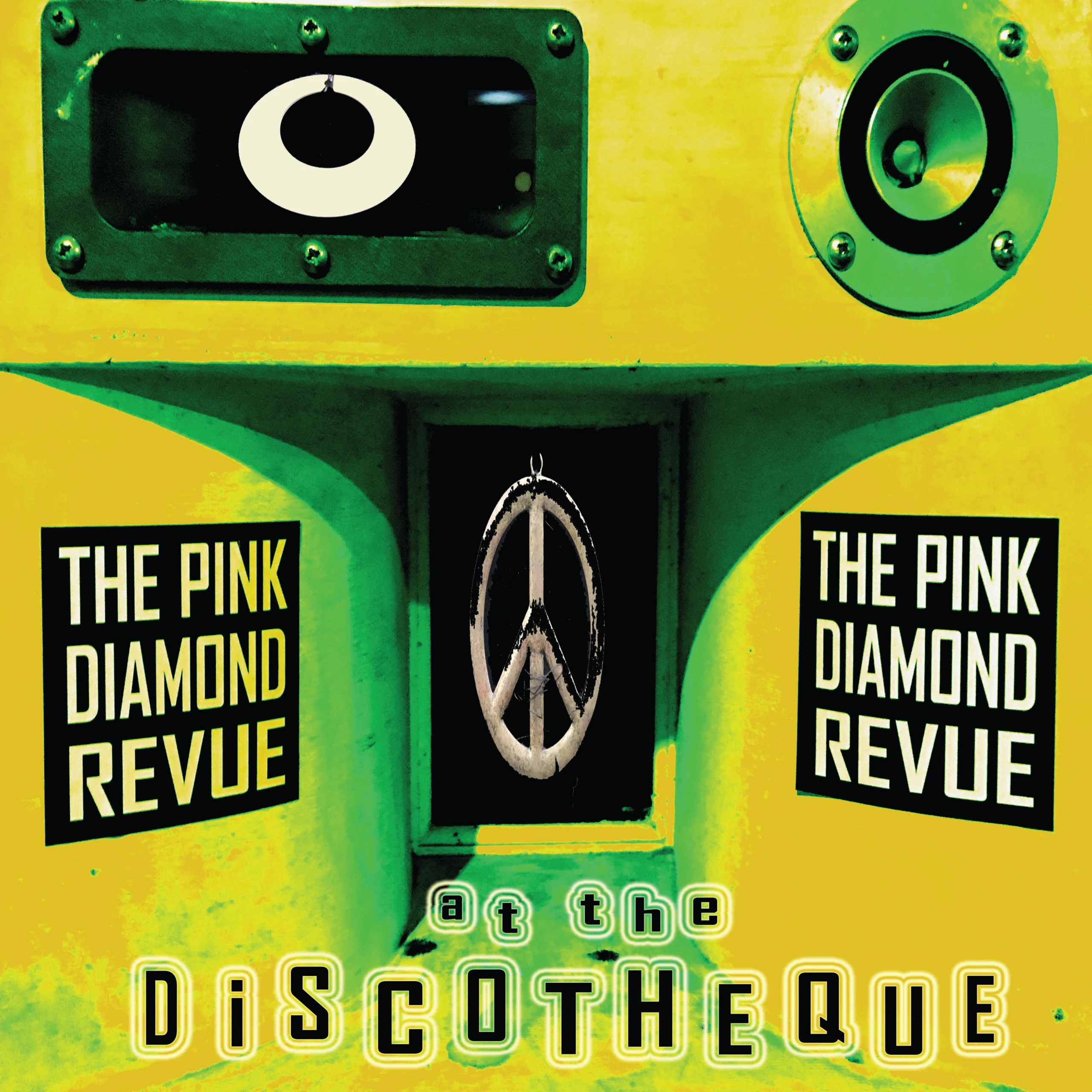
Budget Guitars and Homemade Fuzz Boxes Give The Pink Diamond Revue the Hooks on Their Debut
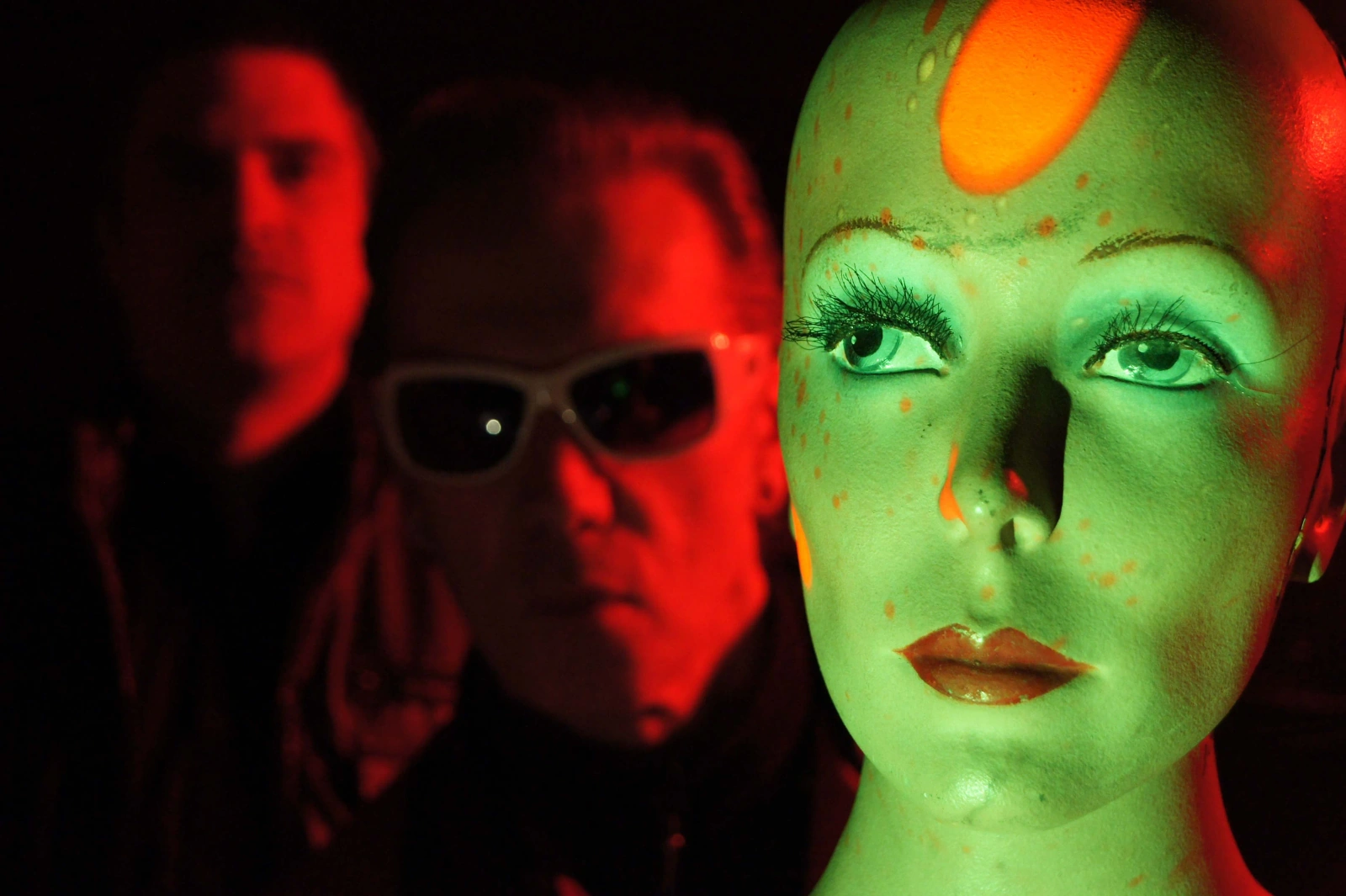
The Pink Diamond Revue call themselves a three-piece from Reading and London, although only two of the members play. Tim Lane handles guitar and Rob Courtman Stock plays drums. Meanwhile, the band is fronted by aCiD DoL, a mannequin the group describes as a model from another dimension. Since forming over nine years ago, they have played over 500 shows across the UK and Europe, usually in front of projected film imagery.
The hooks on the record come from the same economy. The band builds its riffs on budget guitars run through homemade fuzz boxes, while vintage analogue synths fill the space a vocalist would normally take. The Fuzz Guitar, released as a single in 2021, shows the method at its plainest. When it came out, Joyzine heard layer upon layer of razor-edged fuzz over overdriven bar chords, held together by clattering drums.
Elsewhere, the guitar leans on the twang of 1950s and 1960s rock’n’roll, which reviewers have traced back to Duane Eddy. The beats, however, belong to the present day. That split gives the record its main tension. An old guitar sound runs through a modern dance pulse, with nothing in between to smooth it over.

Sampled Dialogue From Old Films Stands in for a Singer Across Sixteen Tracks
With no vocalist, the writing happens in the edit. The words on At The Discotheque are short, repeated pronouncements lifted from old films and broadcasts. They work like 1950s B-movie narration, so a dance track turns into a short story. For example, Milkshake builds its hook from a sampled diner order of coleslaw, apple pie and a milkshake. Final Meal Request takes its subject from death-row last meals. On the band’s signature tune, a narrator even insists that they are not a rock and roll band.
As a result, the track titles do a lot of work. She Is, the opener, arrives with its own video. Then Elvis Presley, The Ton Up Boy and Portable Radio point straight at the post-war pop culture the samples come from. Even the mannequin gets a song, since Acid Dol sits in the middle of the running order.

Recorded at Le Freek Bootique, the Album Runs Twelve Vinyl Tracks Plus a Youth Remix
The structure follows the formats. The vinyl pressing carries 12 self-penned tracks, all recorded and mixed by the Trip Systers at Le Freek Bootique. The CD and streaming versions add four more tracks, among them a remix of Milkshake by Youth, the Killing Joke bassist and producer. The full 16-track running order also carries a Trip Sister remix of the same song. The band self-released the album, and it sells CD and vinyl copies through its own website.
Several of the tracks will be familiar to anyone who has followed the singles. Go Go Girl came out in 2017, The Fuzz Guitar in 2021, Milkshake in 2022 and Elvis Presley in 2024. In other words, the album gathers almost a decade of work into one running order. The repetition built into the songs suits that history. Each one locks onto a beat and a riff, lets the samples cut across it, and trusts the loop to carry the room.
Radio has already taken notice. BBC Radio 6 Music presenters Gideon Coe, Steve Lamacq and Tom Robinson have all played the band, which is a useful marker for an act with no label behind it. Local press has followed the live shows too. Brighton and Hove News, for instance, previewed their 2022 set at Concorde 2 in Brighton.
Who The Pink Diamond Revue Made This Album For, From Big-Beat Fans to Synth-Punk Collectors
The band points listeners towards Suicide, Gary Numan and The Chemical Brothers, and each comparison holds a specific link. Suicide’s 1977 debut set Alan Vega’s 1950s rock’n’roll mannerisms against Martin Rev’s primitive drum machine and organ. The same collision of eras runs through this album. Gary Numan’s early records put analogue synth lines at the front of the mix, as these songs do. Finally, the Chemical Brothers built big-beat records from breakbeats and psychedelic samples, which is close to how the dance side of At The Discotheque works.
Listeners who like instrumental electro-rock, sample-heavy big beat and the darker end of synth-pop will get the most from it. Oxford’s Nightshift magazine once described the band’s sound as hangover music rather than party music, which is a fair guide to the mood.
BestRock.News’s curator team: “At The Discotheque makes a case for working with less. With no singer to lean on, every hook has to come from a riff, a drum pattern or a few seconds of sampled film dialogue. The Pink Diamond Revue treat that limit as a writing method, and the album is tighter for it.”
You can buy At The Discotheque on Bandcamp. Follow The Pink Diamond Revue on Spotify, Apple Music, SoundCloud, YouTube, Instagram, Facebook, and X. The band’s films and merch live on the official site.



About The Author