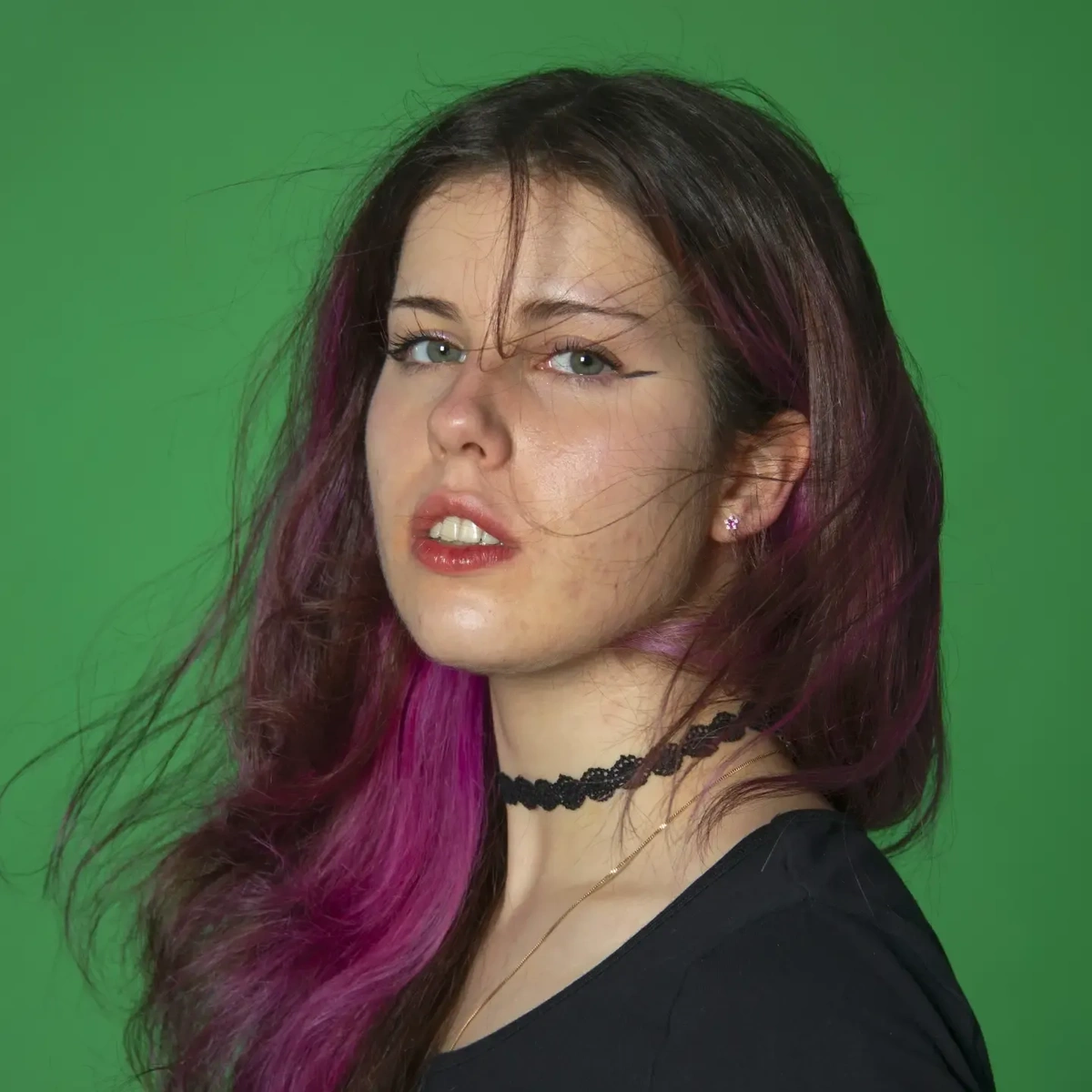
Mia Rose Brake and the Cost of Being Loud in A Breathy Decade
The British-Swiss Singer Produces Her Own Records and Refuses to Whisper
Pop vocals have spent several years getting quieter. Close-mic’d, breathy, held just above a whisper, mixed so the room disappears. Mia Rose Brake cannot do that and has stopped pretending otherwise. Somersault, her debut single, came out on 28 January 2026, built the other way round: a loud voice at the front, a full band behind it, and a swing in the rhythm that gives her something to push against.
Mia Rose Brake’s music is in the playlist below, and this desk’s coverage of her is collected on the Mia Rose Brake profile. Somersault reached BestRock.News through PopHits.Co Music Charts, which verifies independent artists and places their releases across its network of music news desks. Play it first, then carry on reading.


What Mia Rose Brake Built Somersault Against
She is direct about why. Speaking to Punk Head in February, she set the record against the prevailing fashion in plain terms.
Mia Rose Brake, to Punk Head: “My voice is naturally loud, and I’m a very emotional person, so making music like that just doesn’t sit right with who I am as a person.”
That is a production decision as much as a personal one, and it has consequences. A loud, unprocessed lead vocal is harder to mix than a whispered one. It leaves less room for the band, and it exposes every tuning decision. A voice at that level also refuses to sit politely under a podcast or a study playlist, which is where a great deal of streaming attention now goes. She has taken the harder option and is not hedging it.

The Reference Points, And Who Is Doing The Work
The artists she names line up with that. Queen and P!nk, both built on a singer who occupies the whole room rather than the middle of it. She has singled out Freddie Mercury for how he engages an audience rather than for how he sounds, which is the more useful thing to take from him, and she credits P!nk with showing that a woman fronting a rock band can hold a pop-rock crowd on those terms.
The constraint underneath all of it is that she is doing the work herself. Her own profiles describe her as a British-Swiss singer, songwriter and producer, and that third word is the one that shapes the record. There is no producer in the room to talk her into a quieter take, and no budget for one either. What comes out is what she decided.

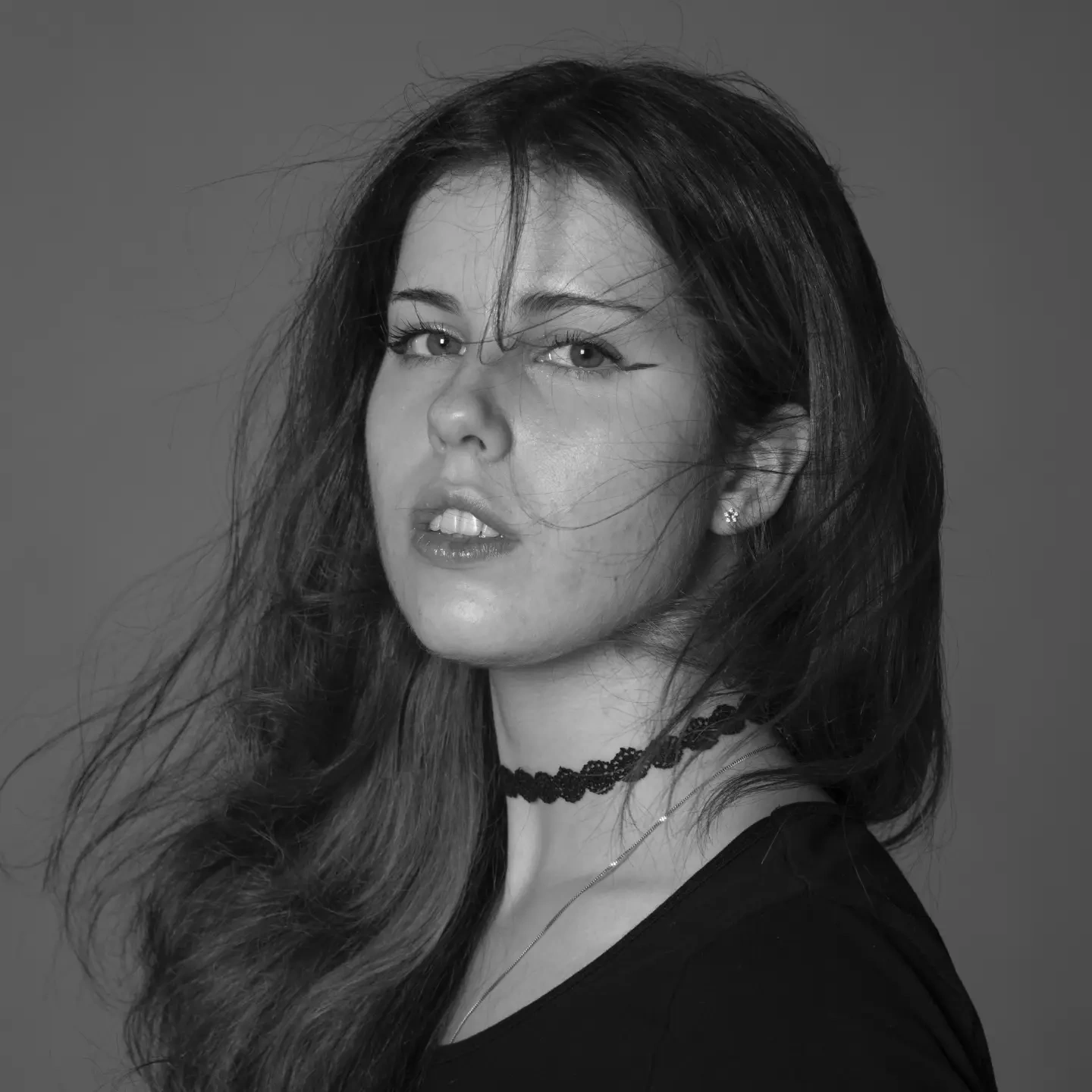
How Mia Rose Brake Releases A Single
The release pattern gives the game away, and it is worth looking at because most new artists do not bother.
Somersault went out in three versions: the single, an acapella and an instrumental. So did Shotgun, the follow-up, which arrived on 21 August 2026. Stems are a producer’s habit. They are how you find out whether an arrangement works, they let other people remix or cover the song, and they show that the vocal really is what it sounds like, because an acapella has nowhere to hide. An artist publishing stems on a debut is telling you she is confident about the take.
The audience numbers point the same way. Her TikTok carries around four hundred followers and roughly fifty-two thousand likes, a very high ratio, which means individual pieces of the work travel much further than the account does. That is normal for a performer whose material is clip-shaped and whose channel is new. It is also a useful signal for a rock desk: the songs are doing the work, not the follower count.
From the Curator Team: “Releasing the acapella alongside the single is the detail that made us stop. It is not a marketing asset, it is a producer showing her working, and on a debut it is close to a dare. Anyone can be mixed to sound confident. Publishing the vocal with the band stripped out is a different claim, and she has now done it twice.”
Who It Is For, And Where To Hear Mia Rose Brake
Coverage has followed quickly for a first single. IndieTapes and Berlin On Air both ran it, and Lost in the Manor included her in its rock picks. The pattern is small independent outlets rather than trade press, which is the normal shape for a debut and a reasonable place to be after one release.
So this suits listeners who miss the front-and-centre rock vocal, and who want a pop-rock song with the band audible behind it. It does not suit anyone after something to fade into the background. That is the trade she made deliberately, and Somersault is the clearest statement of it so far.
Somersault is on Spotify, and the catalogue sits on Apple Music and SoundCloud.
Follow Mia Rose Brake across platforms: Spotify artist page, Instagram, TikTok and her YouTube channel. Everything is listed on her own site.










About The Author