Ordinary by Brigade and the Cost of Staying Put in Bangor
A Two-Piece Turned Four Counts up What Not Leaving a Small Town Actually Costs
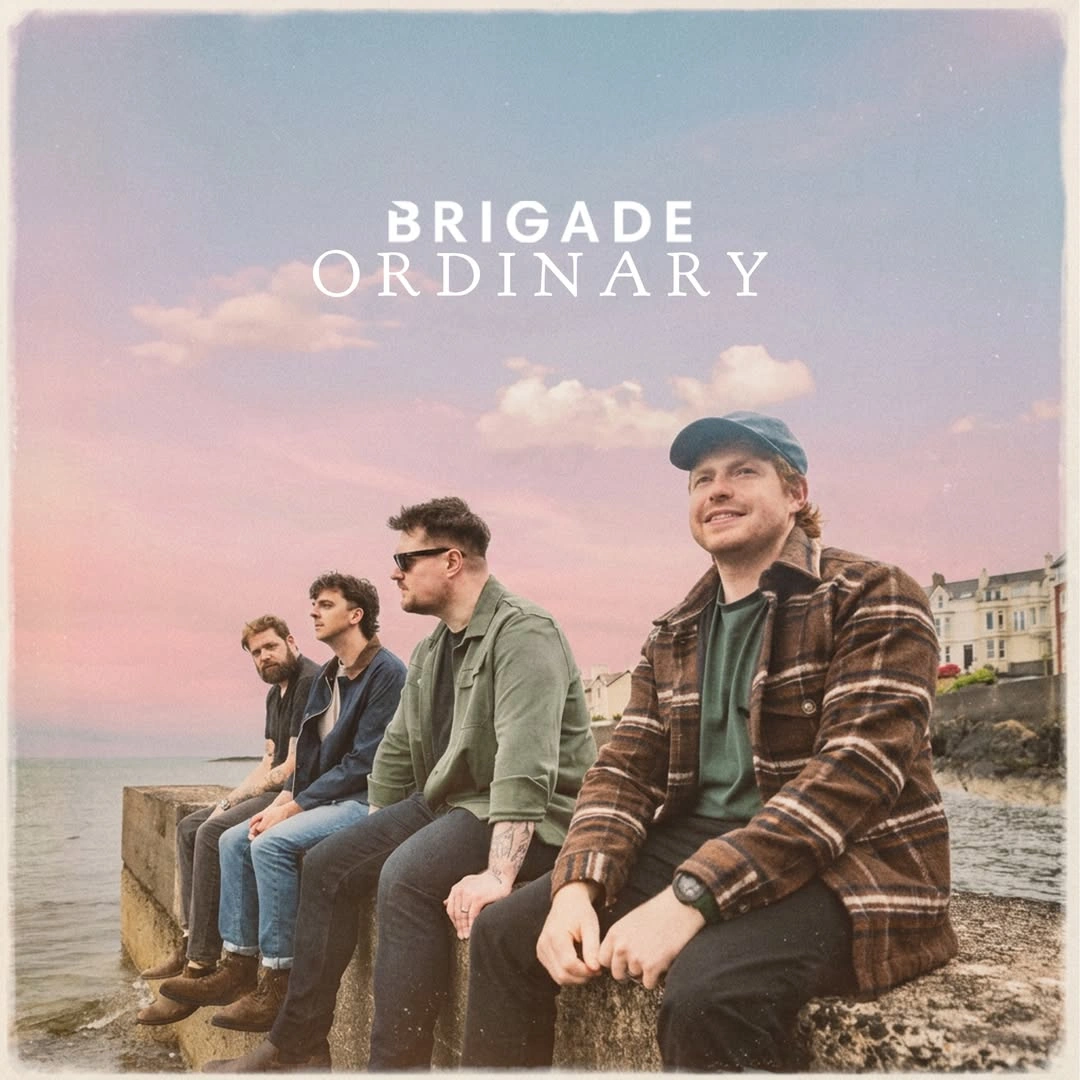
The constraint arrives in the second couplet, and on Ordinary Brigade do not dress it up: All my friends left town, I’m the only still around. That is the situation the song writes from. Everyone else went. The narrator did not. Ordinary by Brigade, self-released on 28 August 2026, spends three minutes and forty-five seconds working out what that costs.
Brigade are in the playlist below. Ordinary came to this desk through PopHits.Co Music Charts, which verifies independent artists and places their releases across its network of music news titles. Their coverage sits on the Brigade profile. Play it once, then read on.

What Ordinary by Brigade Actually Says
The hook is the title, and the band deliberately undersell it. It’s getting kinda heavy, being Ordinary. Not unbearable. Kinda heavy. The whole lyric holds that register, and the restraint is the point: a song about not achieving anything cannot afford a big claim about it.
The verses form a list rather than a story. Wasting time. Sleeping in the daytime. Always the class clown. Think I let my Dad down. None of those is a catastrophe, and that is why they land. The writing understands that this particular condition is cumulative: no single failure, just a running total.
That choice costs the song something, and the band clearly knew it. A list does not build. There is no turn where the narrator decides to change, because deciding to change is not what the song is about.

The Pun That Does The Most Work
The best line is a pun, and it deserves pointing at because it carries more than anything else on the record.
My TV asks are you still watching? / Put on another episode, / Before I have another episode.
One word holds a streaming prompt and a mental-health episode, and the couplet moves from the first meaning to the second without a change of tone. It is the only moment where the song lets its subject be heavier than kinda heavy, and it hides that inside a rhyme. Most writers would have flagged it, or built a chorus around it. Brigade let it pass.
Around it the internal rhyming runs dense and slightly hurried. Cuz what you get is what you see, a self fulfilling prophecy. Wasted potential, its incomprehensible. Must try a little harder, you’ll get a little farther. That last one is a school report read back at the narrator, which is a neat move: the song borrows the language of the people telling him to do better and leaves it there unanswered.

The Refrain Is A Question, And It Stays One
The refrain is not a statement. Do you feel like the way we do? Is it all that you wanted to? The grammar is wrong, and it survives into the final mix twice, because the last two lines of the record repeat that question. A song about stalling ends unresolved rather than resolved, which is the correct structural decision even though it costs the track its big finish.
Note the pronoun. It is not do you feel like I do but the way we do. The narrator is not alone in this. He asks on behalf of a group of people who also stayed, and that single word is what stops the song being self-pity. It is also why the chorus works as something a room can sing back.
From the BestRock.News curator team: “The pun about the episode is the tell. A band chasing attention would have built the whole song around that line and put it in the chorus. Brigade buried it in a verse and let the plainer writing carry the record. That is a decision about what the song is for.”
Where To Hear Ordinary by Brigade
Brigade released Ordinary as a pair, not on its own. It arrives as a two-track single, with Hear You Say, which they put out six weeks earlier on 17 July 2026, sitting behind it as track two. That is a small-budget decision and a sensible one. An independent band releasing singles six weeks apart normally watches the first disappear before the second lands. Pressing them together gives the July track a second life and gives a new listener eight minutes of material instead of four.
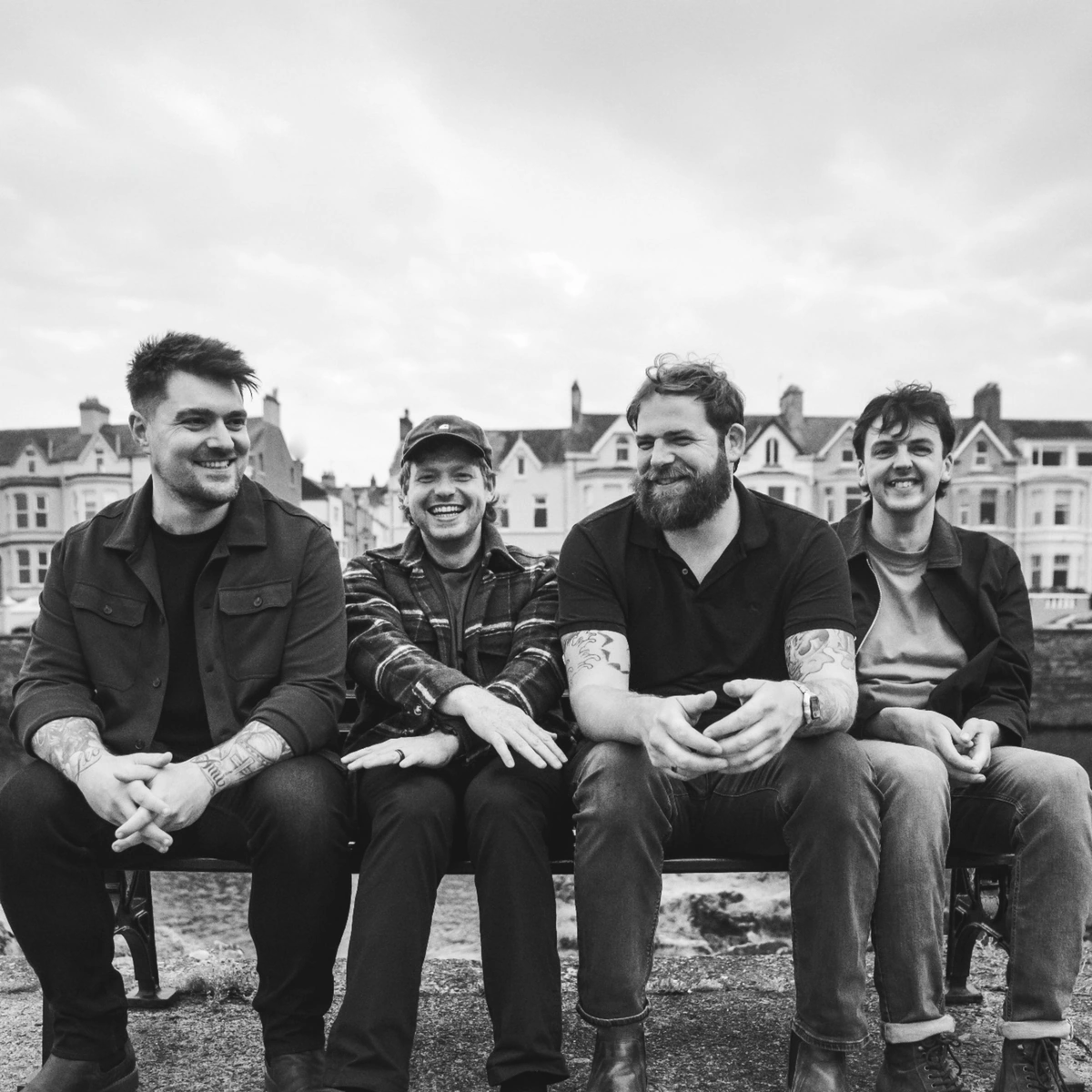
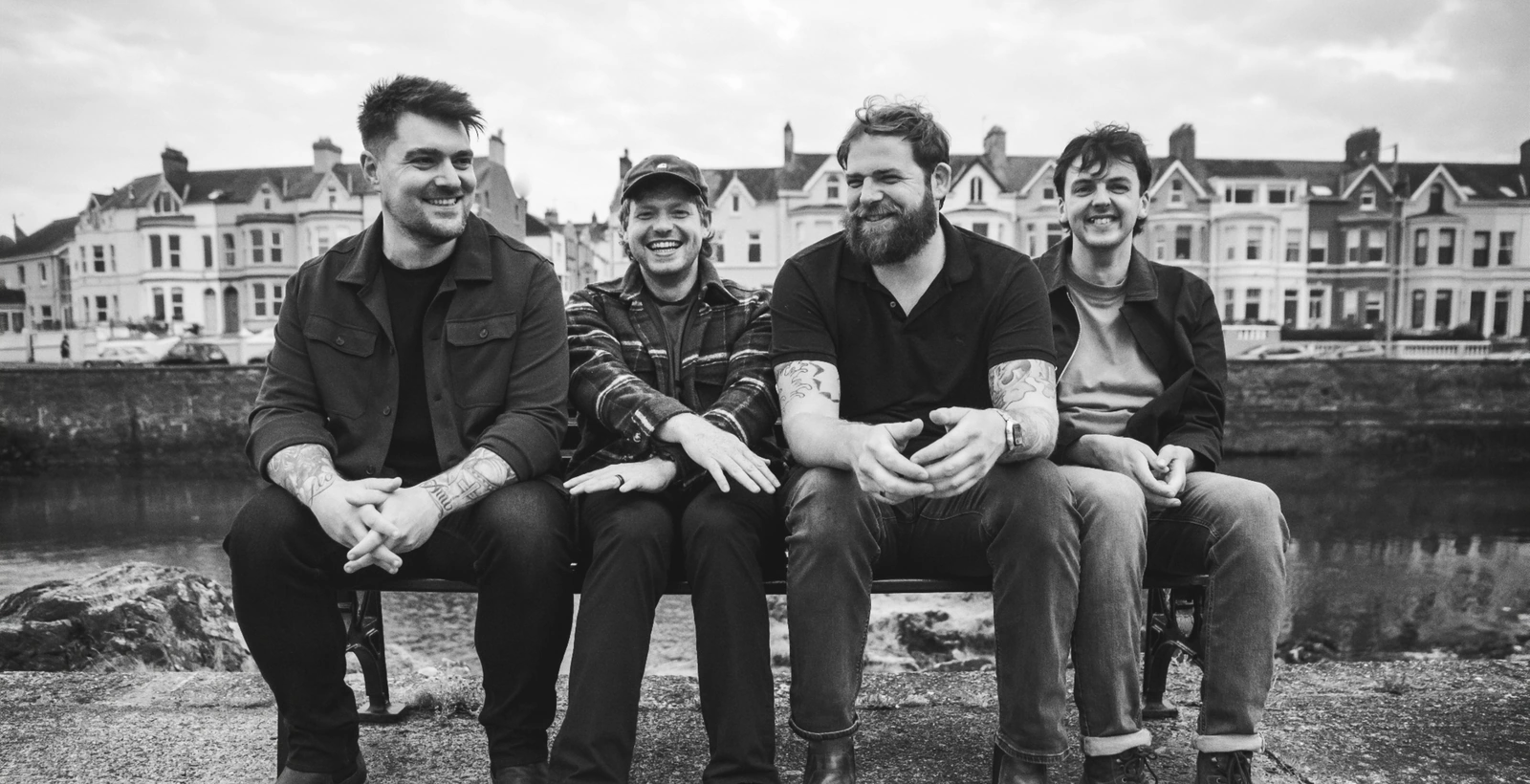
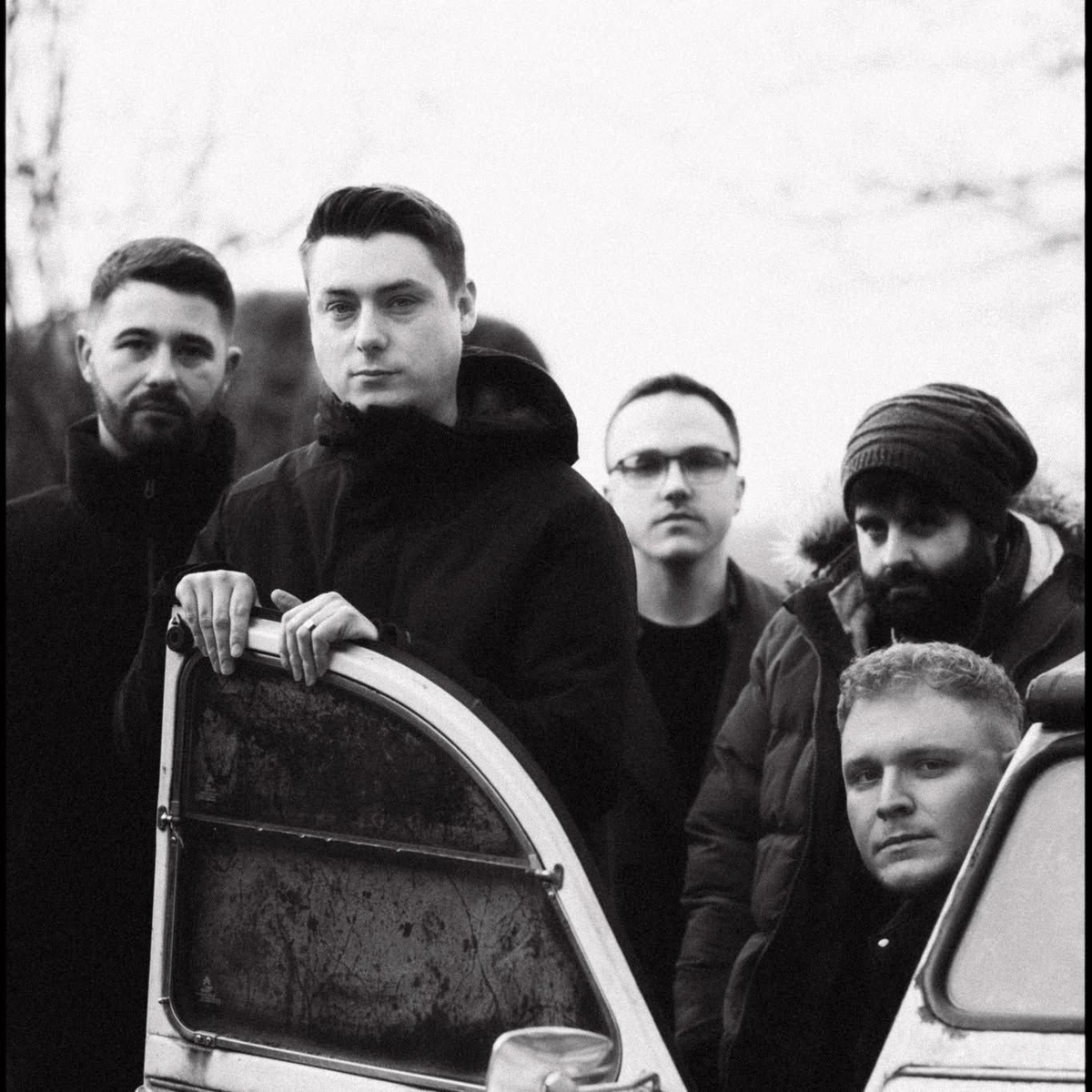
The band is a Bangor operation. Brigade began as Mel Browne and Jack Stoops, two lifelong friends who, by their own account, set out to make the kind of music they grew up on, and Andrew Armstrong on lead guitar and Zac Carlisle on drums later completed the line-up. The recorded sound follows from that history: melody carried up front, guitars filling the room behind it, an arrangement four people can play rather than one assembled in layers.
Bangor is a relevant detail rather than a decorative one, given the subject. It is the County Down town where Two Door Cinema Club formed, and it sits inside a Northern Irish guitar tradition that also produced Snow Patrol and Foy Vance. Every one of those is an argument that leaving is how it works. Ordinary comes from the people who did not leave, and it is more interesting for it.
You can hear it on Spotify, on Apple Music and on Bandcamp. Brigade post on Instagram and keep their links on their Beacons page.









About The Author